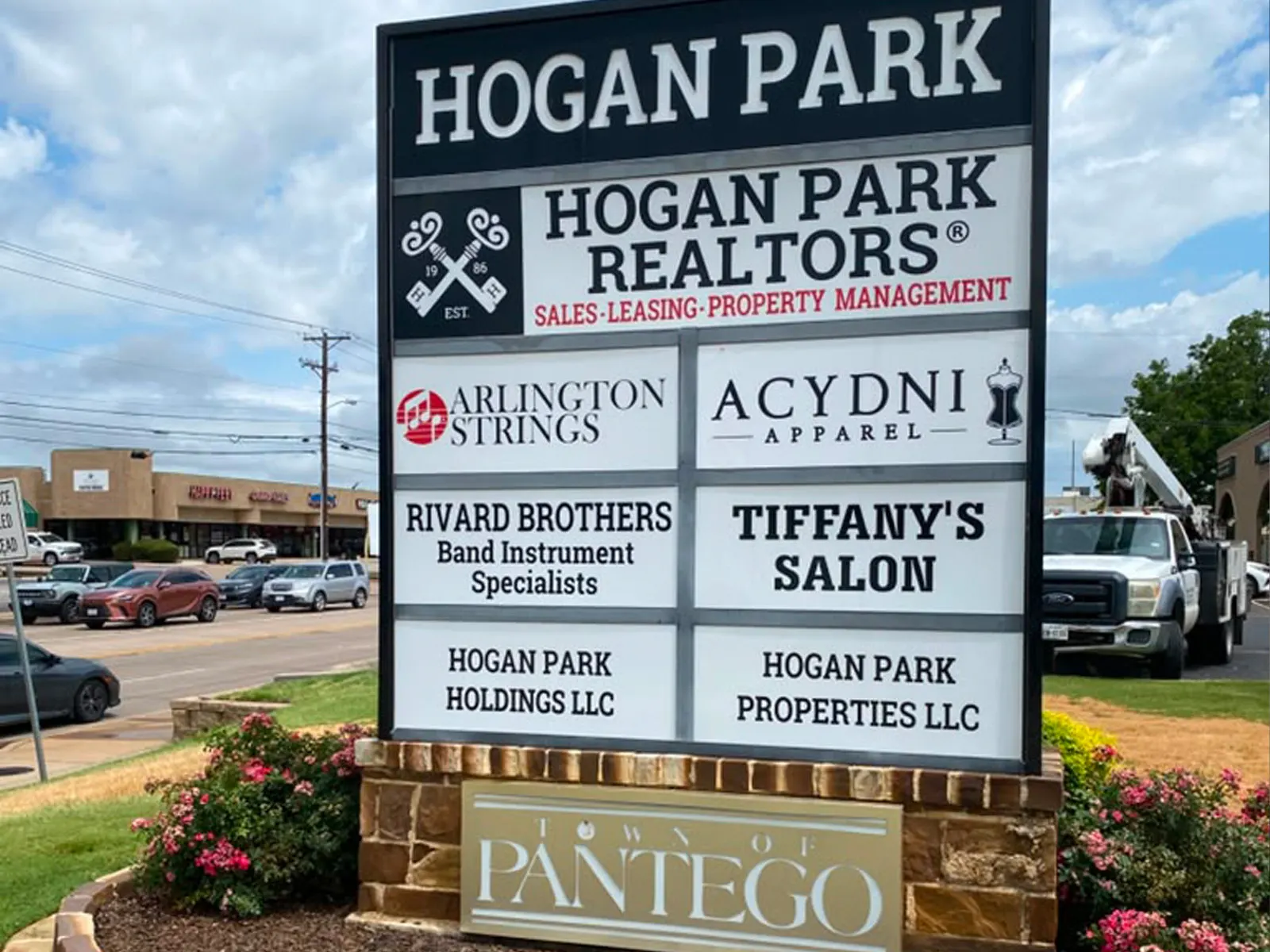
Pole sign
A sign cabinet raised on one or two exposed steel poles. It puts a lot of height on a small footprint, which is why it is the classic choice along highway frontage roads and busy arterials.

Pole and pylon signs · Dallas Fort Worth
Your storefront sign speaks to the parking lot. A pole or pylon sign speaks to the road. We design, engineer, permit, fabricate and install single-tenant and multi-tenant roadside signs for businesses and shopping centers across Dallas Fort Worth.

A pole sign is a freestanding sign raised on one or more steel poles, so it clears cars, landscaping and buildings and can be read from the road. The cabinet at the top carries your name, and on shopping centers it often holds several tenant panels. When the poles are wrapped in a decorative cover, the same sign is usually called a pylon sign.
Terminology
People use the two words interchangeably. In the trade, the difference is mostly what surrounds the steel. The right format depends on the road, the property and the city code.
A sign cabinet raised on one or two exposed steel poles. It puts a lot of height on a small footprint, which is why it is the classic choice along highway frontage roads and busy arterials.
The steel is wrapped in a fabricated cover, or the whole sign is built as one tall, solid form. Pylons look more architectural and leave room for an address, a center name or a stack of tenant panels.
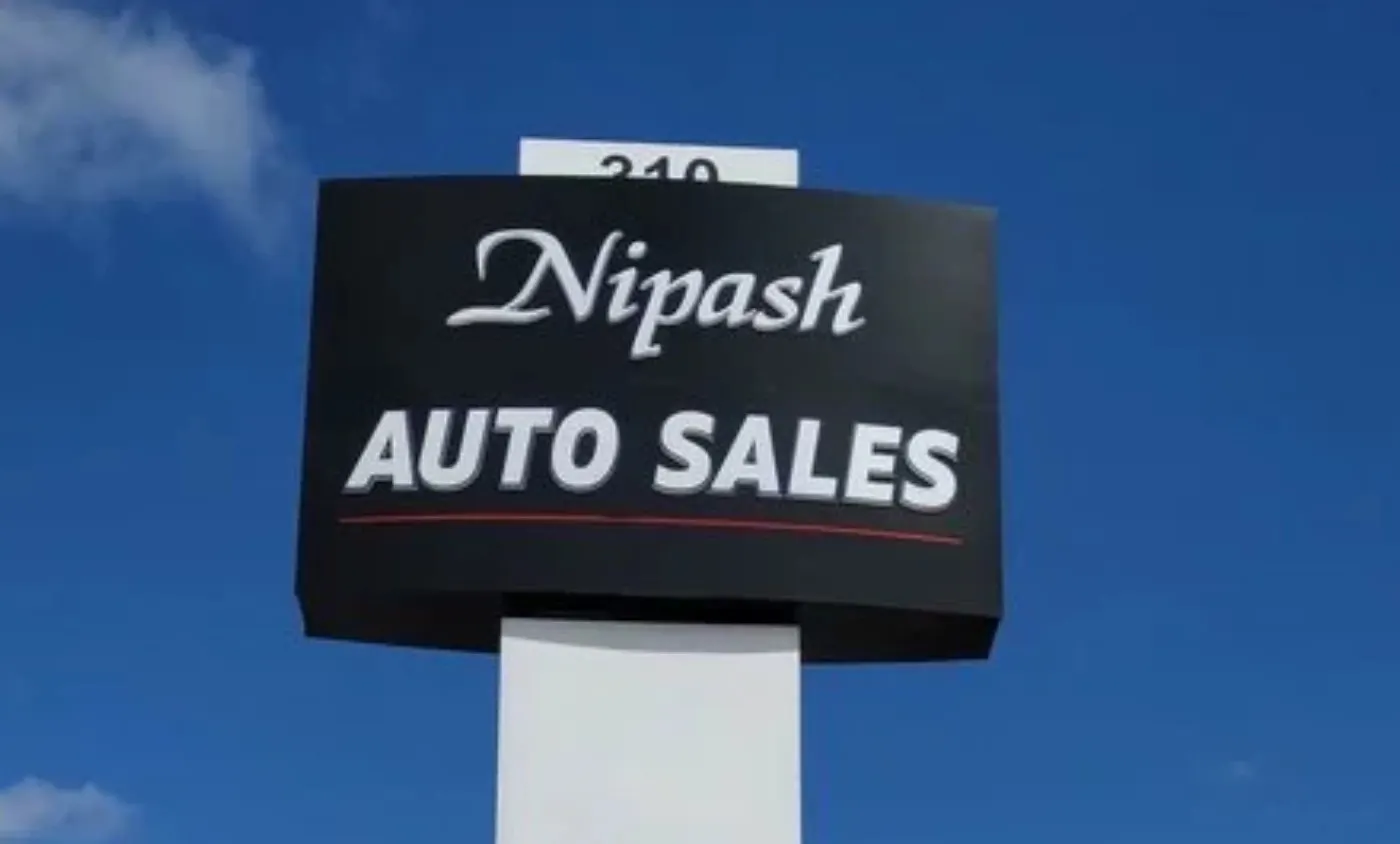
The property name on top and individual tenant panels below, carried on a pole, a pylon or a masonry column. When a tenant changes, only that panel is replaced.
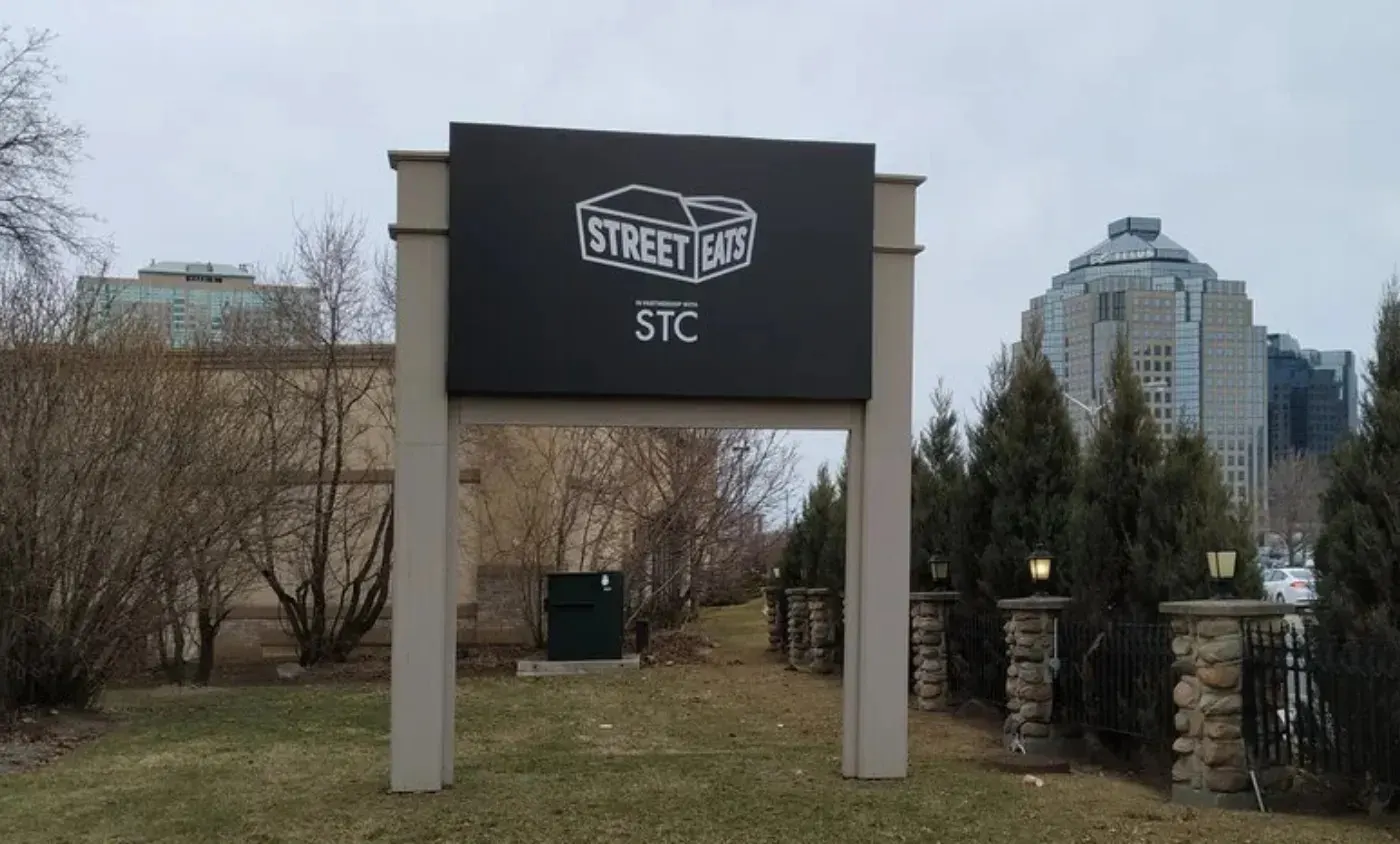
A single panel framed between two posts. Lower and simpler, it suits entrances, drive aisles and campuses where a tall sign is not needed or not allowed.
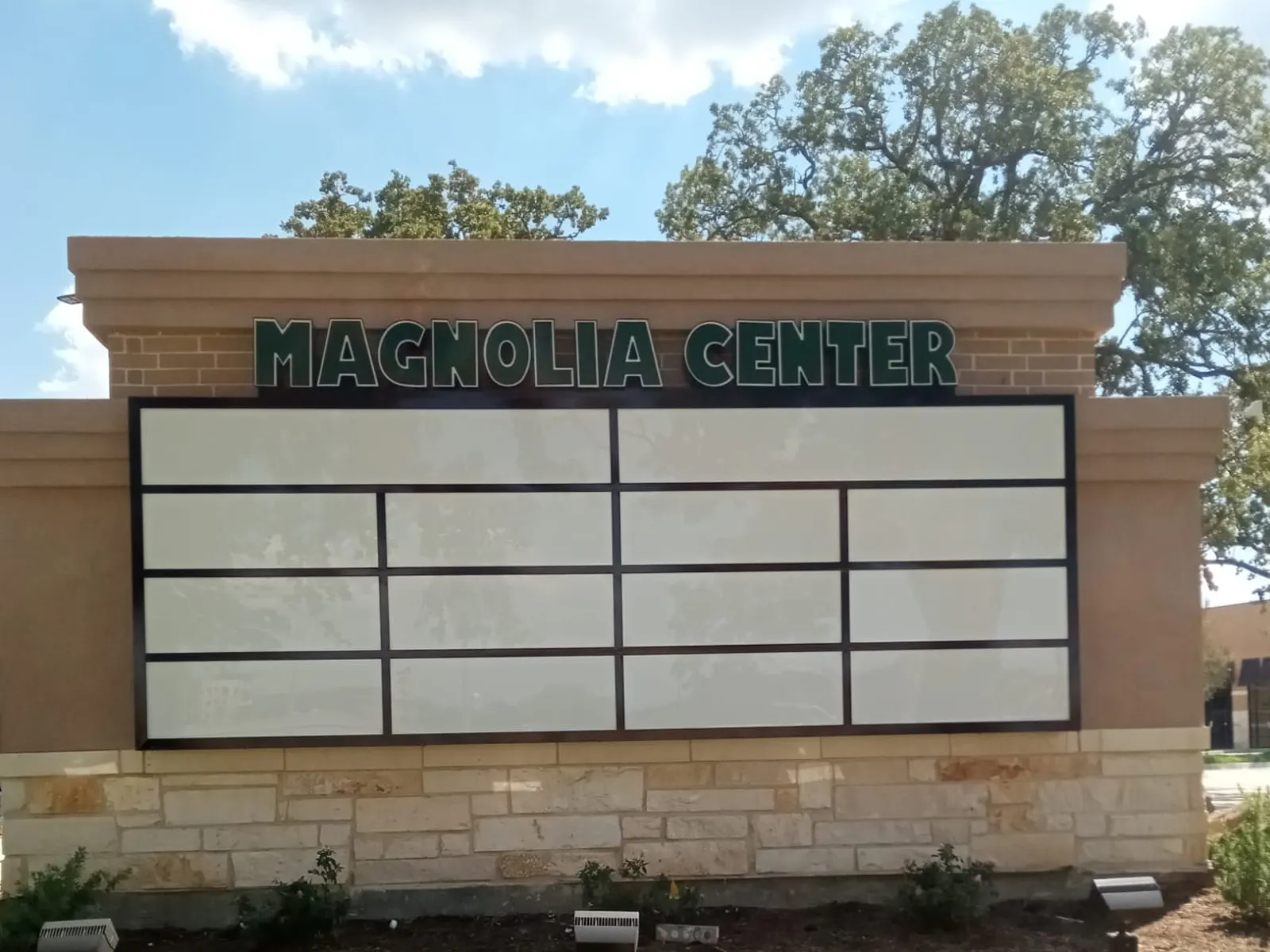
When the code limits height or the property sits close to the road, a low sign on a solid base at the entrance can do the job instead.
Explore monument sign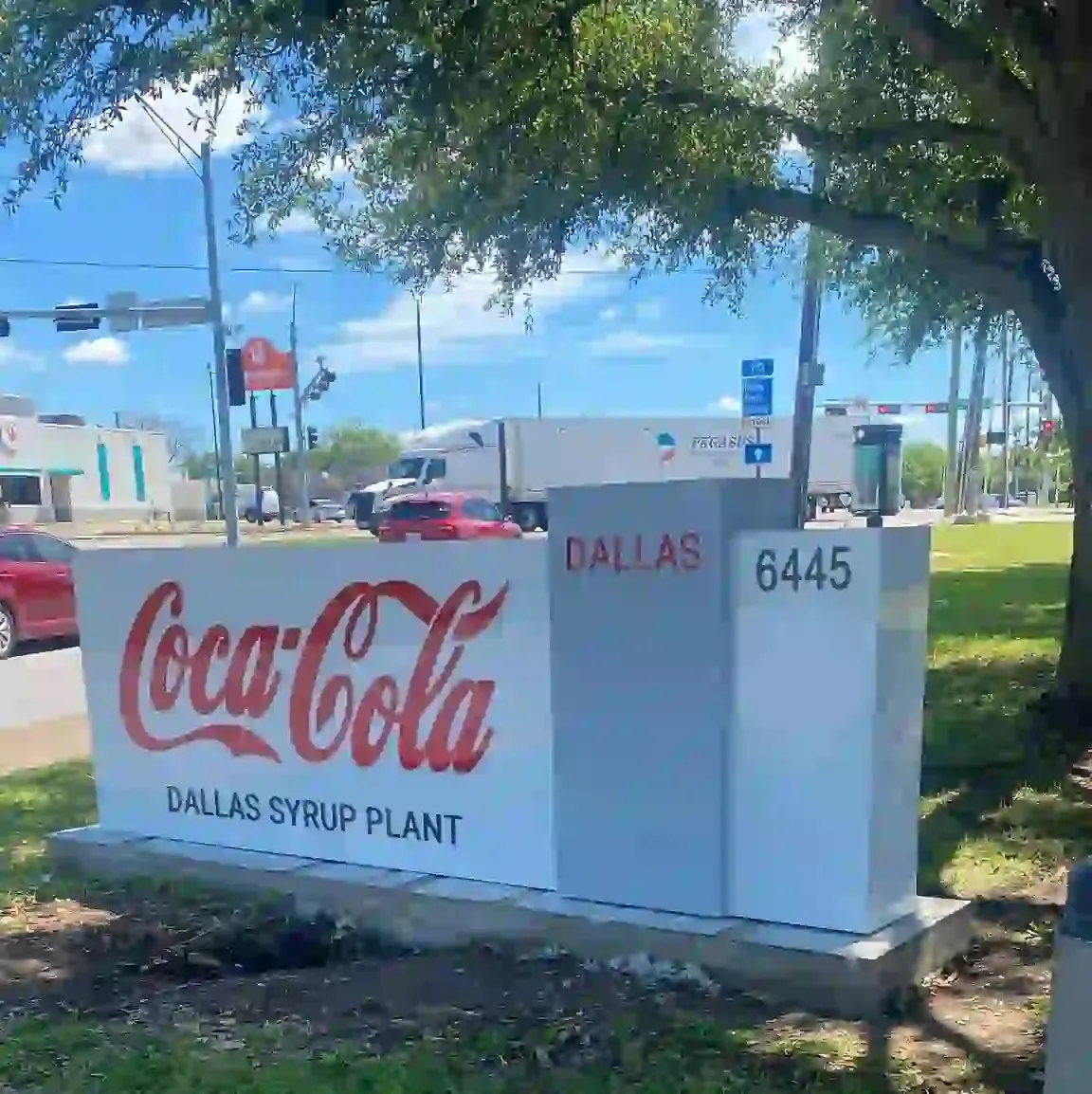
Road visibility
A driver at road speed has to see your name, recognize it and change lanes before the driveway. A building sign set back behind a parking field, trees or a neighboring building often cannot give that much warning. A pole or pylon sign lifts your name to where the road can see it.
Height, sign area and setback are set by each city's sign code and zoning, and they vary across the Metroplex. We research the rules for your address first, then design the most visible sign the site allows, placed where approaching drivers see it soonest.
Height and line of sight
Move the sign higher and see how it clears parked cars, landscaping and the building next door. The graphic is illustrative only: the height and setback your sign can have are set by your city's code, and we confirm them for your site before design starts.
Blocked by the tree line
Illustration, not to scale
Allowable sign height, area and setback are set by each city's sign code. We confirm them for your address before design.
Single or multi-tenant
The structure can look much the same either way. What changes is who the sign serves, how the face is laid out and how it will change over time.
| Compare | Single-tenant | Multi-tenant |
|---|---|---|
| Who it serves | One business on its own lot or pad site | A shopping center, office park or shared development |
| Face layout | The whole cabinet given to one name and logo | A center name or header above individual tenant panels |
| What changes later | New faces when the brand changes | Individual panels as tenants move in and out |
| Approvals | You, then the city | The property owner or landlord, then the city |
| Lighting | Lit cabinet, lit letters or non-lit | Usually one lit cabinet shared by every panel |
| Design priority | Maximum legibility for a single name | A grid that gives anchor tenants prominence and keeps smaller names readable |
Many cities limit the number and size of freestanding signs on a property, which is one reason centers bring their tenants together on a single structure.
Illumination
Lighting keeps a roadside sign readable for evening traffic and short winter days. The right approach depends on your brand, your hours and what the city allows.
LED modules inside an aluminum cabinet light a translucent face evenly from edge to edge. Bright, easy to read and the standard way to light tenant panels.
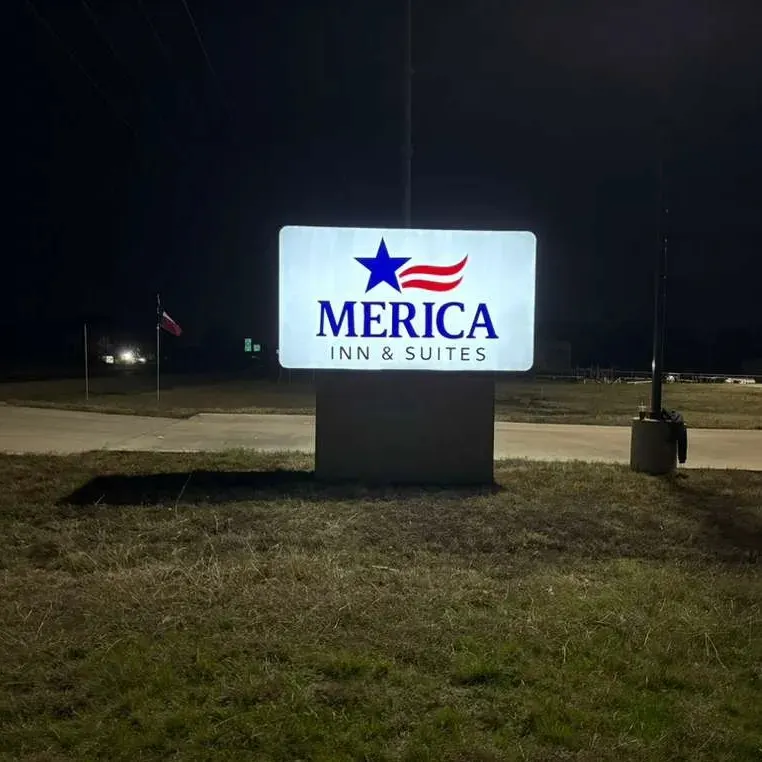
The face is cut from painted aluminum and backed with acrylic, so only the name and logo glow while the rest of the face stays dark. Crisp and upscale after sunset.
Individually built letters mounted to the cabinet face give the name real depth by day and a clean glow at night.
Explore channel letters on the cabinetPainted aluminum faces with vinyl graphics or dimensional letters, for businesses that close before dark or sites where lighting is restricted.
Engineering, permits and installation
Pole and pylon signs stand in open ground, exposed to sun, storms and wind. Most of the work that keeps them upright happens before the cabinet goes on.
The pole, cabinet frame and connections are engineered for the sign's size and height. Many cities ask for engineered drawings with the permit application.
Pole signs commonly sit on a drilled concrete pier, sized for the load, the site soils and the height of the sign. It is the least visible part of the project and the one that matters most.
North Texas storms bring strong, gusty winds. The structure is designed for the wind exposure at your site, which is why a sign cannot simply be made taller after it is built.
Lit signs need a dedicated circuit, usually run underground to the base of the pole. Texas requires a licensed electrical sign contractor for this work, and Signs Express holds license #18921.
A new pole or pylon sign needs a sign permit in most DFW cities, often with a site plan, elevations and engineering. We prepare and submit the package, with landlord approval first on multi-tenant properties.
Utility locates come first, before any digging. Then the foundation is drilled and poured, the pole set, the cabinet lifted into place and the power connected.
Maintenance and panel replacement
A roadside sign lives in full sun and weather, and its lighting runs every night. Over the years, the LED modules and the power supplies that drive them wear before anything else, and faces can fade or crack over time. All of it can be replaced without taking the structure down.
On multi-tenant signs, panels are made to come out one at a time. When a tenant leaves, the panel is removed or left blank. When a new tenant signs a lease, we produce a panel to the center's standards and install it.
Project gallery
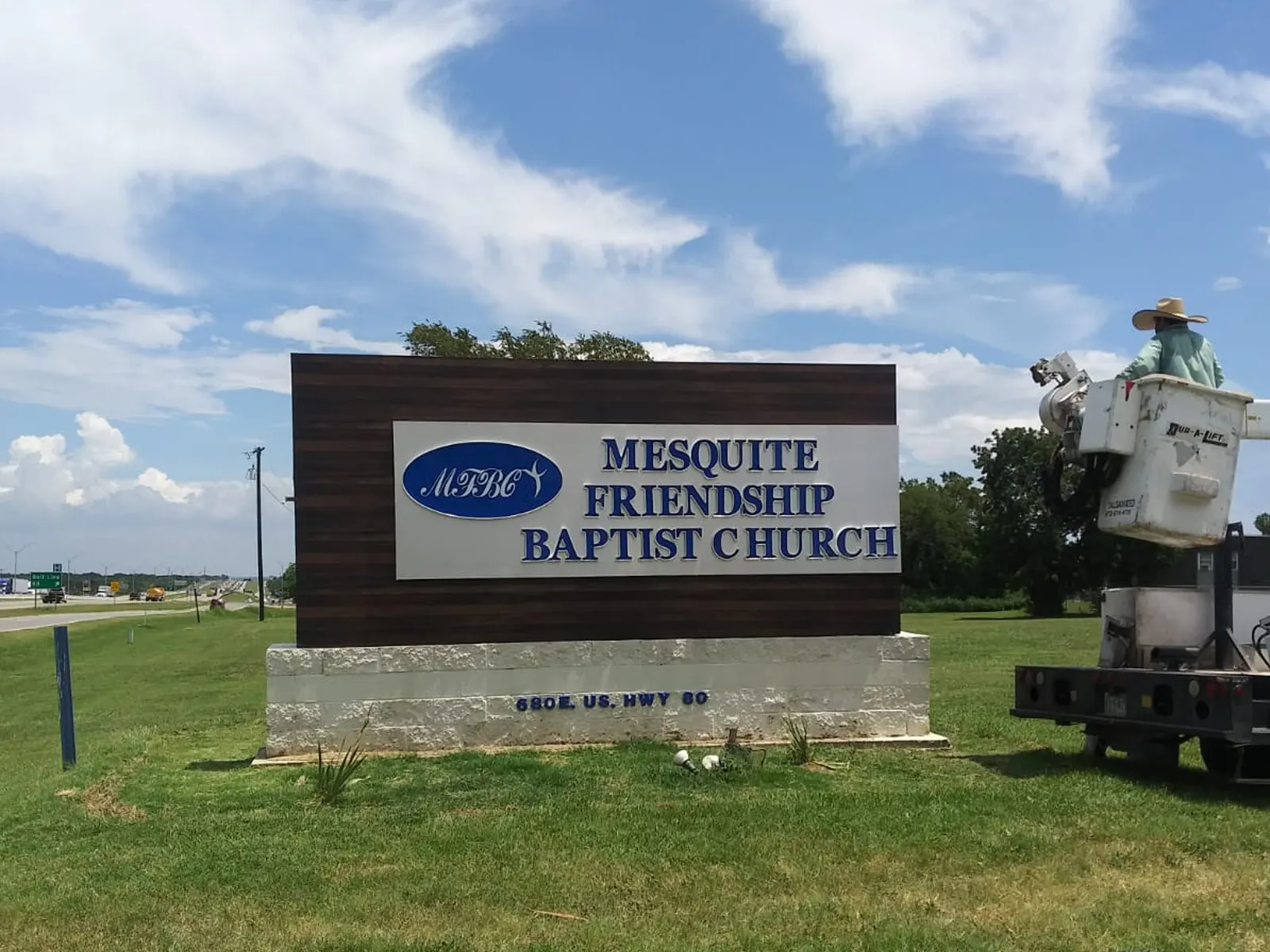
Pole, pylon and post-and-panel signs, alongside the lit cabinets, tenant panel grids and roadside monuments that solve the same problem closer to the ground.
How we deliver
Every pole & pylon signs project follows the same six steps. Here is what each one means for this sign type.
We walk the frontage, watch the approach from both directions and find where the sign and its power can go.
Cabinet size, tenant layout and letter height are set for the distance at which drivers first see the sign.
The pole, cabinet frame and foundation are engineered for the sign's size, the site soils and wind exposure.
We confirm height, area and setback limits with the city, then submit drawings and engineering for the permit.
Cabinets, faces and tenant panels are fabricated in Carrollton, and lit cabinets are wired before they leave the shop.
After utility locates, the foundation is poured, the pole set and the cabinet lifted, connected and powered up.
Related projects
Dallas Fort Worth
Dallas Fort Worth grew along its highways, and much of its retail sits on the frontage roads beside them, where a storefront can be hard to pick out from the main lanes. That is where a pole or pylon sign earns its place. The rules shift at every city line: some cities reserve taller freestanding signs for highway corridors and ask for monument signs elsewhere. We build at our Carrollton facility on I-35E and install roadside signs across the Metroplex, from Richardson and Plano to Arlington and Fort Worth.
Free project review
Send the property address and a photo of the frontage taken from the road. We will check what your city allows and recommend a height, a layout and a lighting approach.
Straight answers
Something else on your mind? Call (469) 901-3108 or send the details through the quote form.
A pole sign is a cabinet raised on one or more exposed steel poles. A pylon sign encloses the supports in a fabricated cover, or is built as one tall, solid form that is often wider at the base. Many people use the two terms interchangeably. Both rely on steel supports and an engineered foundation.
A single business on its own lot usually needs a single-tenant sign. Shopping centers, office parks and shared developments use multi-tenant signs, with the center name above individual tenant panels that can be swapped as tenants change. Your city may also limit how many freestanding signs one property can have, which can decide the question for you.
It depends on the city, the zoning and sometimes the road the property faces. Each DFW city sets its own limits on height, sign area and setback, and some favor monument signs over pole signs in certain districts. We look up the code for your specific property before design, so the sign is sized to what is allowed.
The foundation is designed for the sign's size and height, the soils on your site and the wind the sign will face. The usual approach is a drilled concrete pier with the steel pole set into it. Many cities ask for the engineering with the permit application.
In most DFW cities, yes. Expect a sign permit with drawings and often engineering, and electrical review for illuminated signs. Lit signs also call for a licensed electrical sign contractor under Texas law; Signs Express holds Texas Electrical Sign Contractor license #18921. We prepare and submit the permit package.
Often, yes. If the pole, cabinet and foundation are sound, new faces or tenant panels can refresh the sign without rebuilding it. Some cities treat older signs that predate the current code differently, and larger changes can trigger new requirements, so we check the structure and the code before recommending a reface or a replacement.
Anywhere in Dallas Fort Worth. Pole and pylon signs are fabricated at our Carrollton facility and installed on properties throughout the Metroplex, from Dallas, Richardson and Plano to Frisco, Arlington and Fort Worth.
Pole signs face full sun and wind, so periodic checks pay off. Lighting components wear first, faces can fade or crack, and fasteners and finishes deserve a look after severe weather. We repair and maintain signs, including replacing faces, tenant panels and lighting components.
Keep exploring
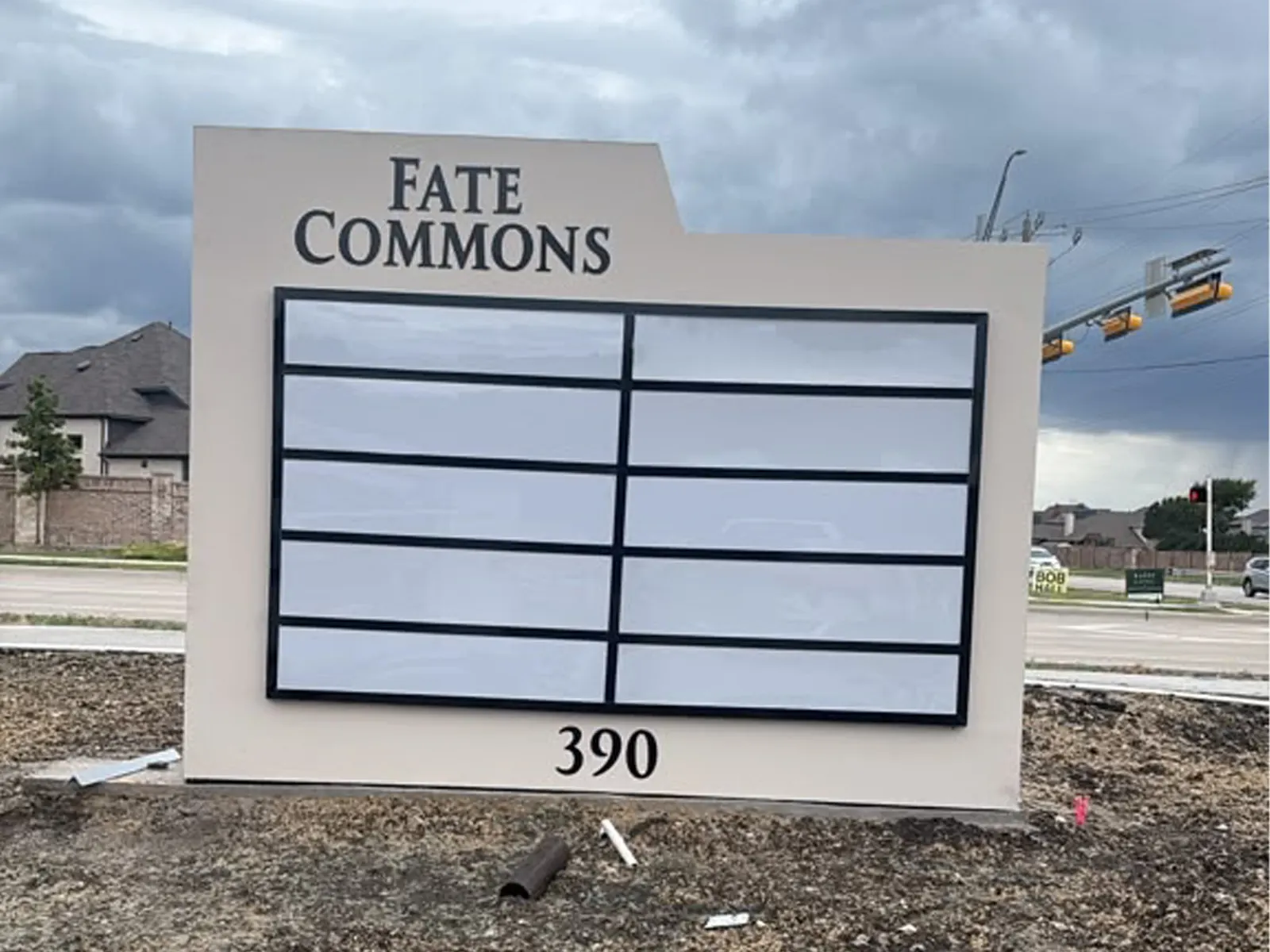
Low, freestanding signs that mark the entrance and match the architecture behind them.

Complete sign programs for retail centers, office and industrial properties, managed from survey to maintenance.
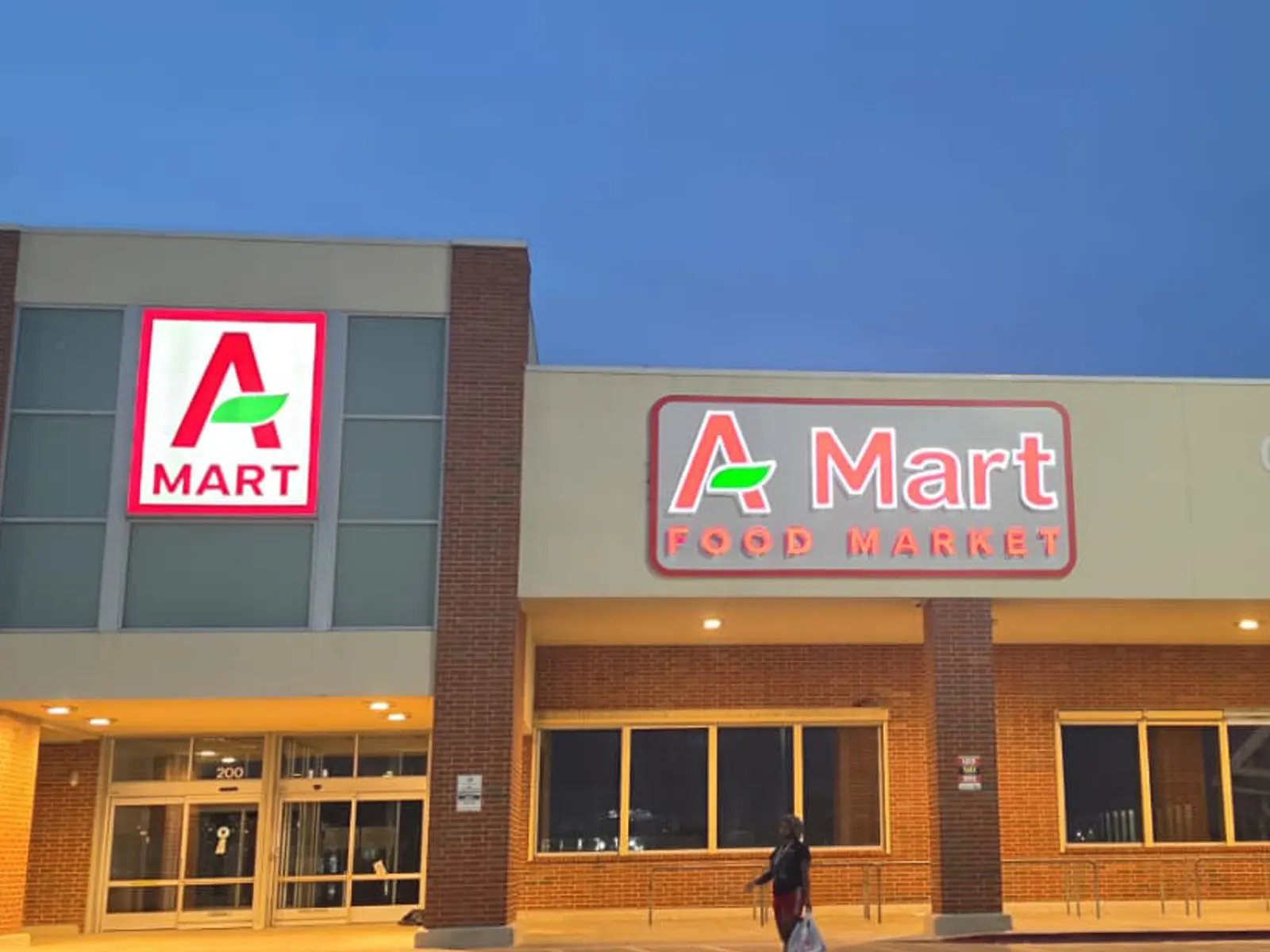
LED-lit letters, cabinets, monuments and pole signs that keep your name readable after sunset.
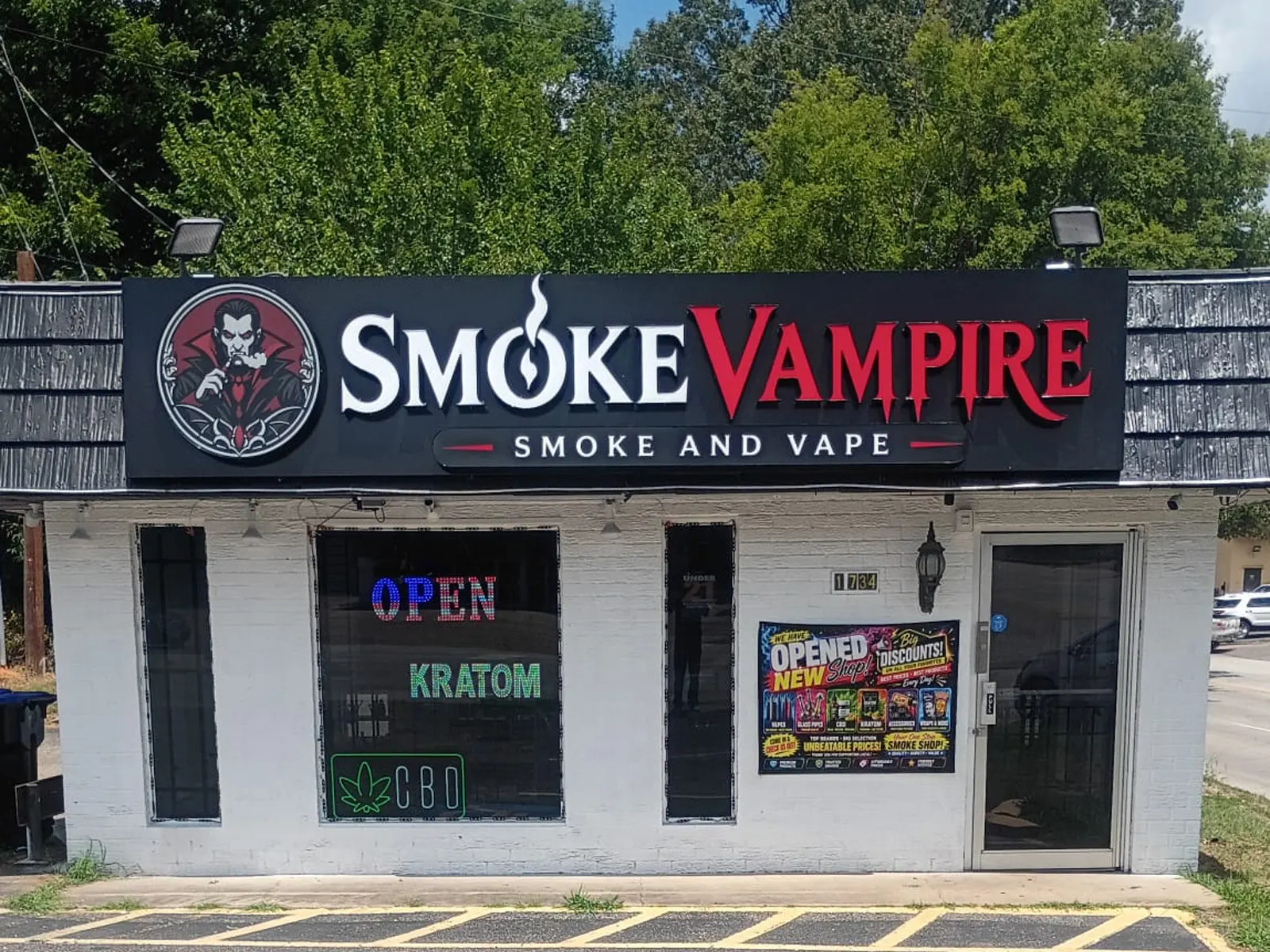
A starting point for business owners: find the right mix of signs, from the road to the reception desk.
Start with the space. End with a landmark.
Tell us what you are building and where. We will help you choose the right sign system and handle the approvals, fabrication and installation.