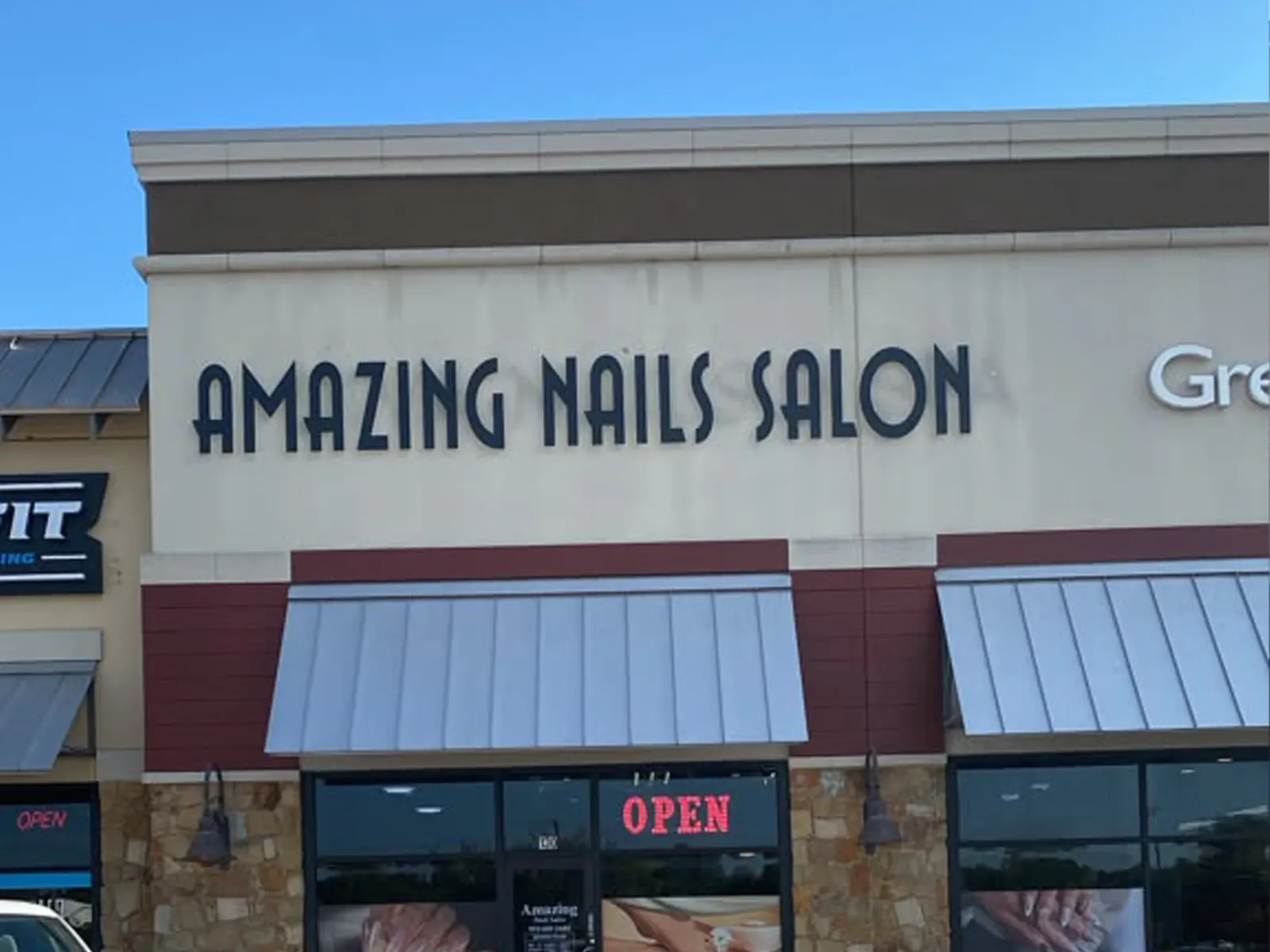
Front-lit
Translucent acrylic faces let LED light pass straight through, so the whole letter glows in your brand color. The brightest, most legible option and the default for retail and restaurants.
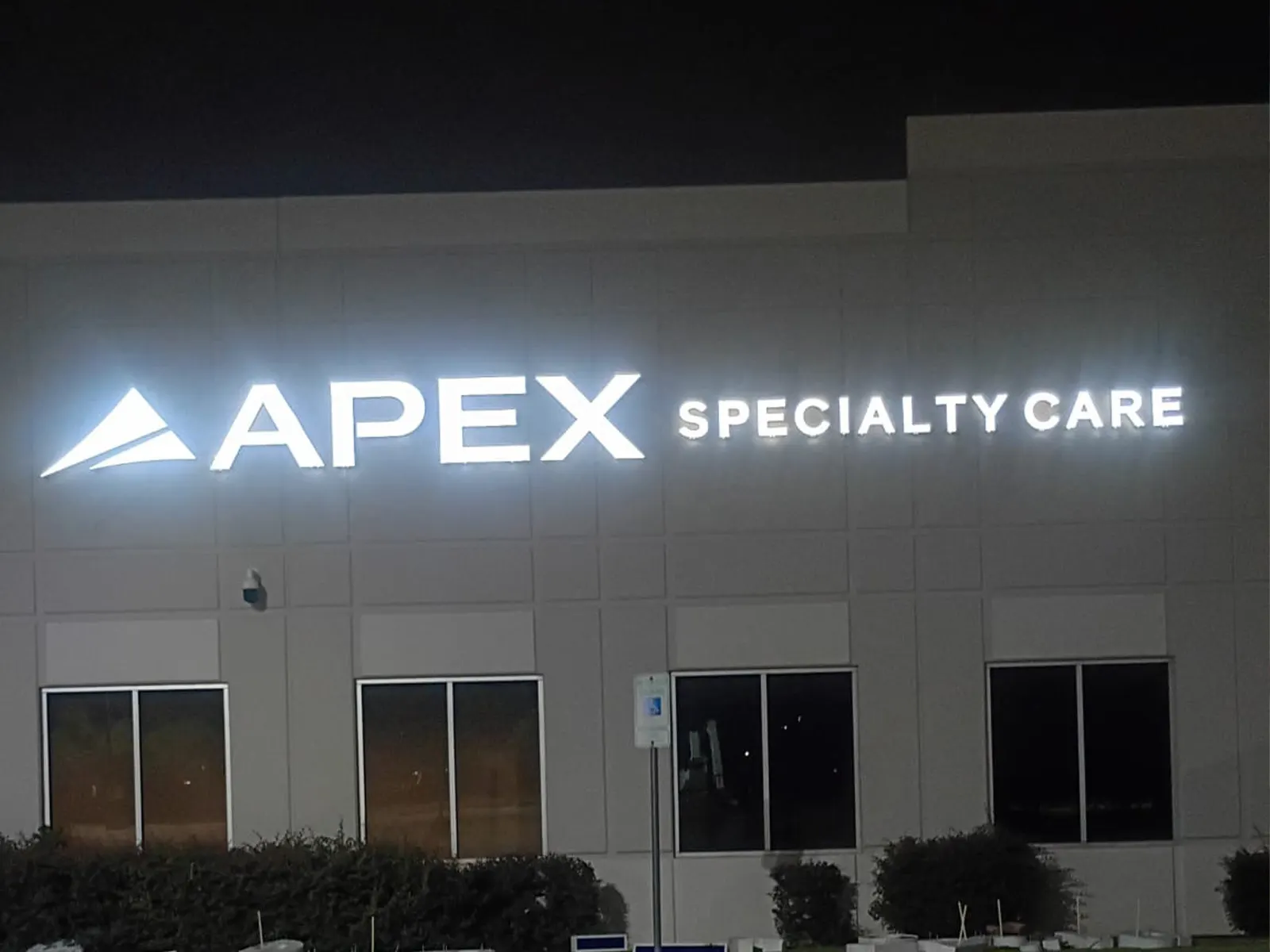
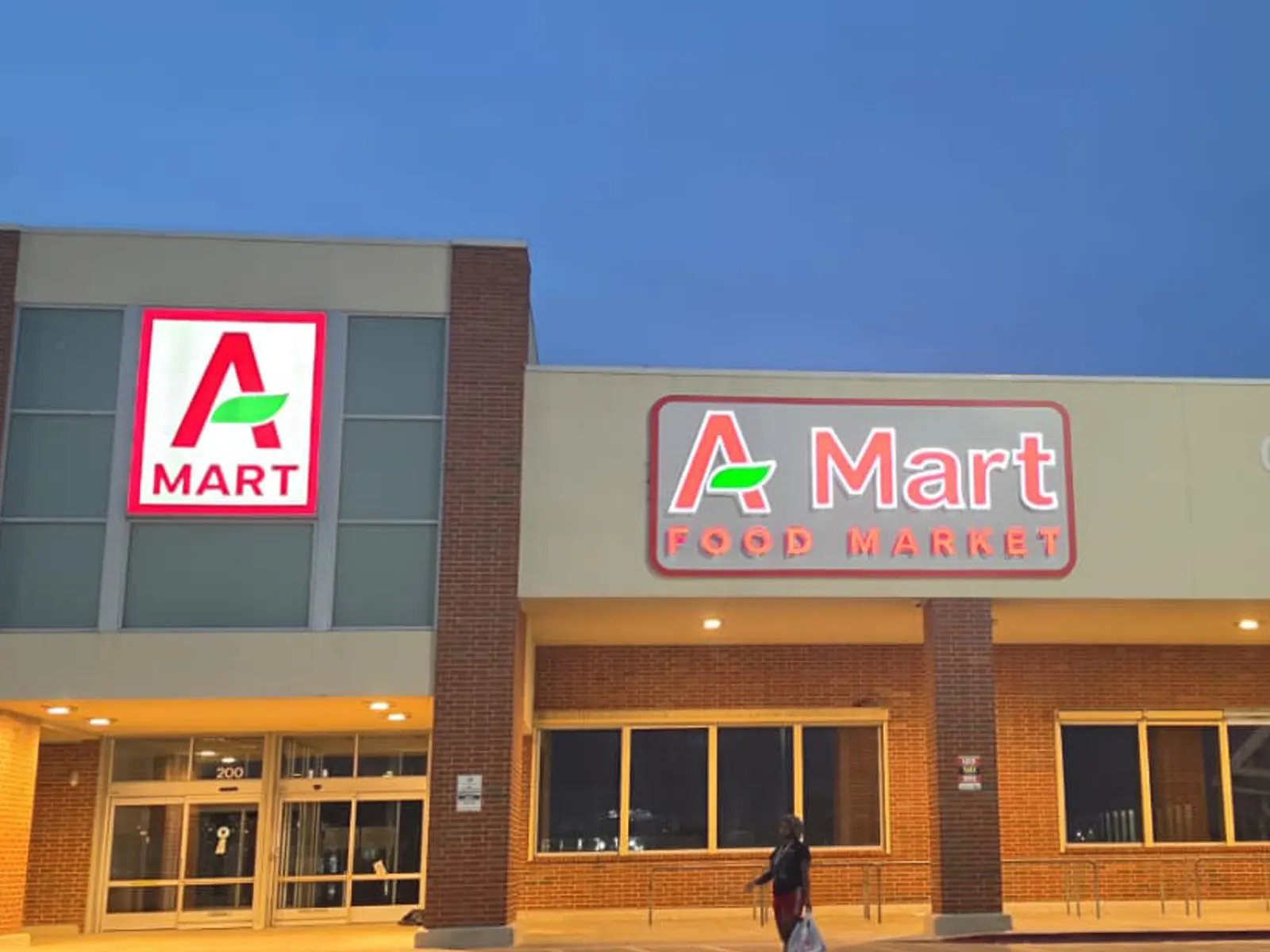
Channel letter signs · Dallas Fort Worth
Your name, built letter by letter in aluminum, acrylic and LED light. We design, permit, fabricate and install channel letters for storefronts, shopping centers and buildings across Dallas Fort Worth.
Channel letters are individually fabricated, three-dimensional letters and logos mounted to a building. Each letter is a shallow metal channel, usually aluminum, closed with a face and lit from inside by LED modules. Light can shine through the face (front-lit), wash the wall behind it (halo-lit) or do both.
Why businesses choose them
A flat panel tells people where you are. Channel letters tell them who you are. Because every character is its own object, the sign carries your exact typeface, your logo and your colors, with real depth and shadow in daylight.
After sunset the letters become the brightest, cleanest thing on the facade. That is why so many shopping centers write them into their tenant sign criteria.
Try the lighting
Switch between day and night, then change the lighting style. Front-lit letters glow through their faces. Halo-lit letters stay dark and throw light onto the wall behind them. Combination letters do both.
Interactive illustration
Front-lit letters, mounted directly to the wall, after dark.
Illumination
The lighting style shapes how your brand feels at night. It also affects cost, landlord approval and how the letters mount.
Translucent acrylic faces let LED light pass straight through, so the whole letter glows in your brand color. The brightest, most legible option and the default for retail and restaurants.
Solid metal faces and returns, with LEDs aimed back at the wall. The letters stand off the surface on spacers and appear in silhouette against a soft ring of light. Quieter, more upscale, ideal for offices, clinics and hospitality.
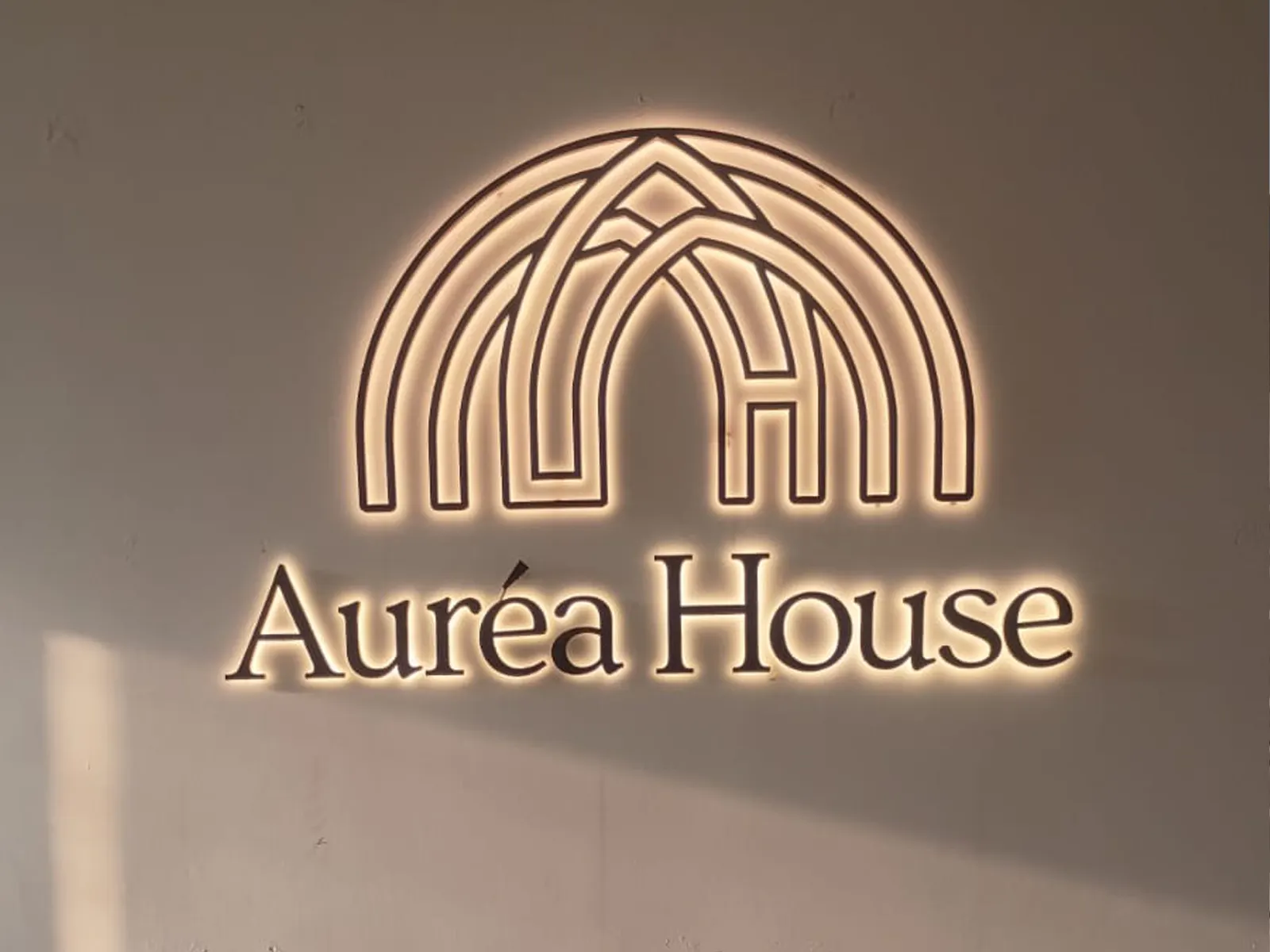
A lit face and a halo in one letter. The face carries the color and legibility, while the halo adds depth and separates the sign from a busy wall. The most dramatic result for a flagship storefront.
Mounting
How the letters attach decides what the wall looks like, how many holes go into it and how the sign is serviced later.
| Compare | Raceway mount | Direct mount |
|---|---|---|
| How it works | Letters sit on a slim metal box that carries wiring and power supplies | Each letter fastens to the wall on its own |
| Look | A visible rail behind the letters, painted to blend with the facade | Floating letters with nothing between them |
| Wall penetrations | A few, at the raceway | More, at every letter |
| Best fit | Shopping centers, leased spaces and walls that are hard to access from behind | New construction, premium facades and halo-lit letters |
| Service | Components gathered in one enclosure | Components behind the wall or in a remote enclosure |
Many landlords specify the mounting method in their tenant sign criteria. We confirm it before design starts.
Materials and LED systems
The sides and back of each letter are formed from aluminum, which resists rust and holds its shape in Texas heat.
Translucent acrylic or polycarbonate for lit faces, aluminum for halo-lit letters. Colors come from the acrylic itself or from translucent vinyl applied to it.
A thin edge that joins face to return. Its color is a design decision: matched for a seamless look, contrasting for definition.
Low-voltage LED modules spread light evenly inside the letter and draw a fraction of the power older neon signs needed.
Transformers that feed the LEDs, housed in the raceway or behind the wall, and the first place a technician looks when a letter dims.
Perforated films let a face read one color in daylight and another when lit, useful when a brand color looks different in the two conditions.
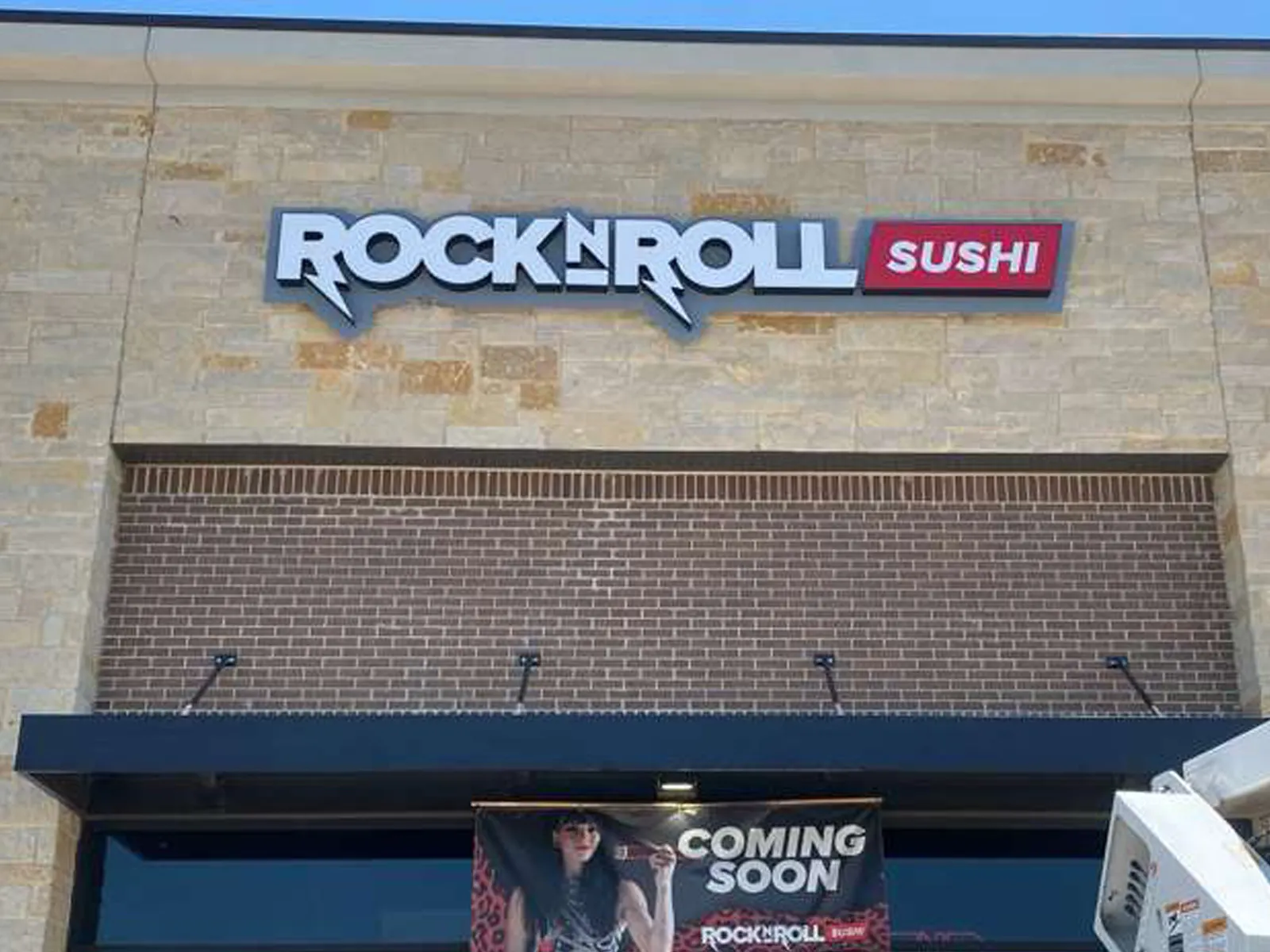
Sized for the street, not the drawing.
Letter height, stroke weight and spacing are set for the distance and speed people actually see the building from.
Planning
Most delays on channel letter projects come from four places. We handle each one before fabrication starts.
We study the approach: road speed, setback, parking field and any trees or neighbors that block the view. Letter height and stroke weight follow from that, within what the code and the fascia allow.
Retail leases often dictate letter height, color, lighting and mounting. We design to the criteria and prepare the drawing package for landlord approval.
Most DFW cities require a sign permit for new exterior signs, and illuminated signs involve electrical work that must be done by a licensed electrical sign contractor. We prepare and submit the package.
We confirm the wall can carry the load, detail the fasteners and plan where power reaches the sign, so installation day has no surprises.
LED modules and power supplies are the parts that age first. Both can be replaced without rebuilding the letters, and faces can be cleaned or re-skinned when a brand refreshes.
Project gallery
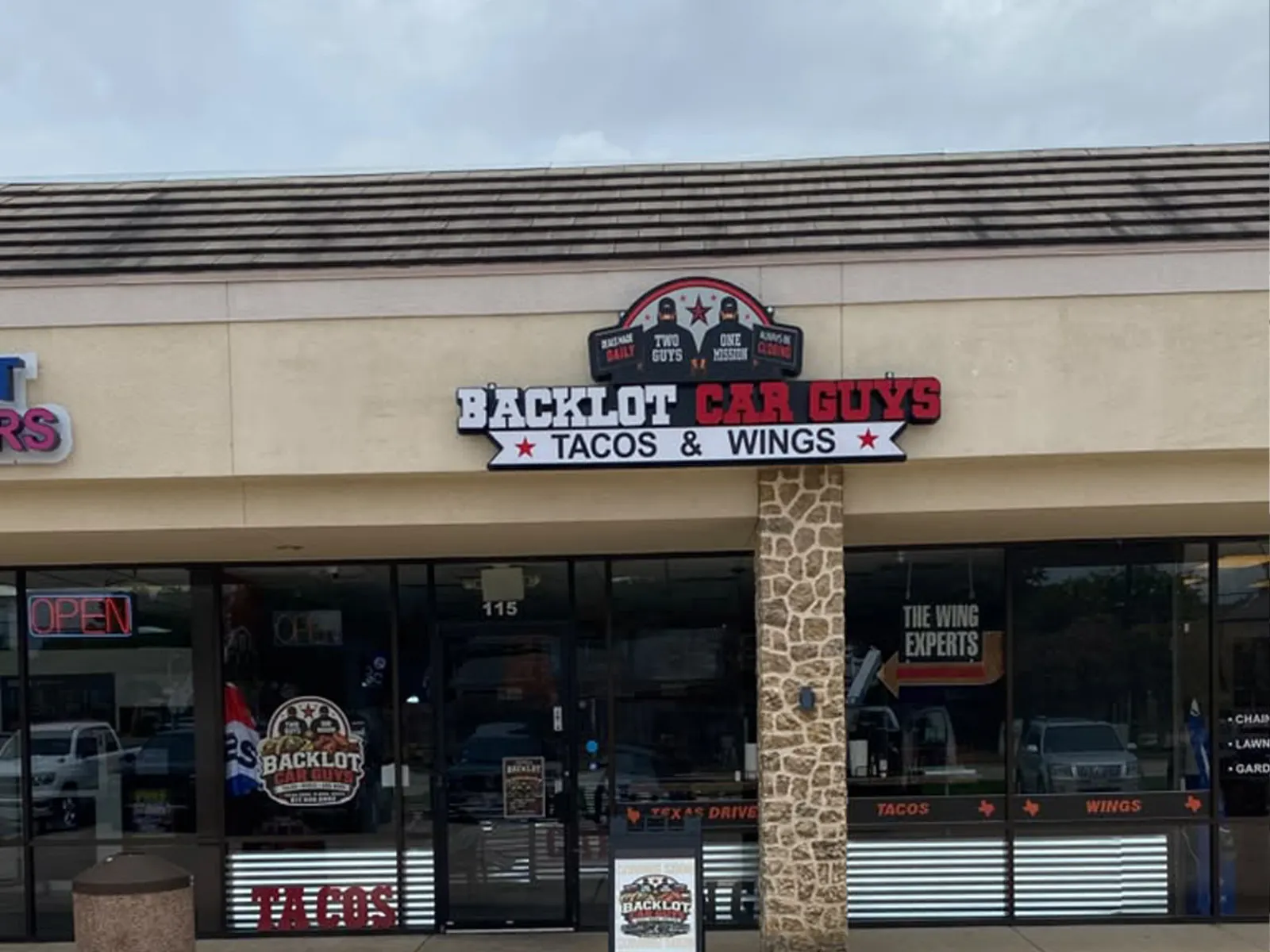
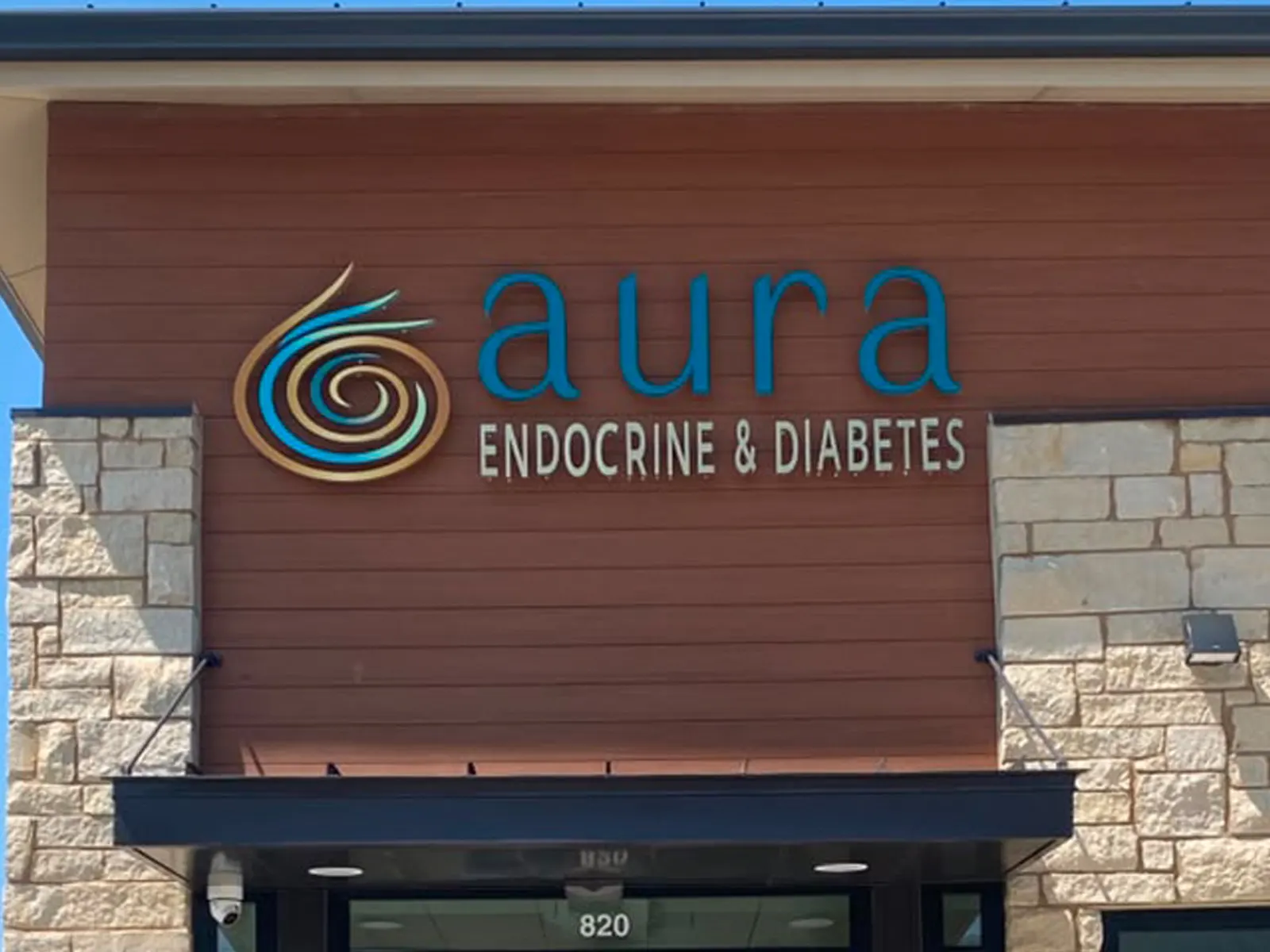
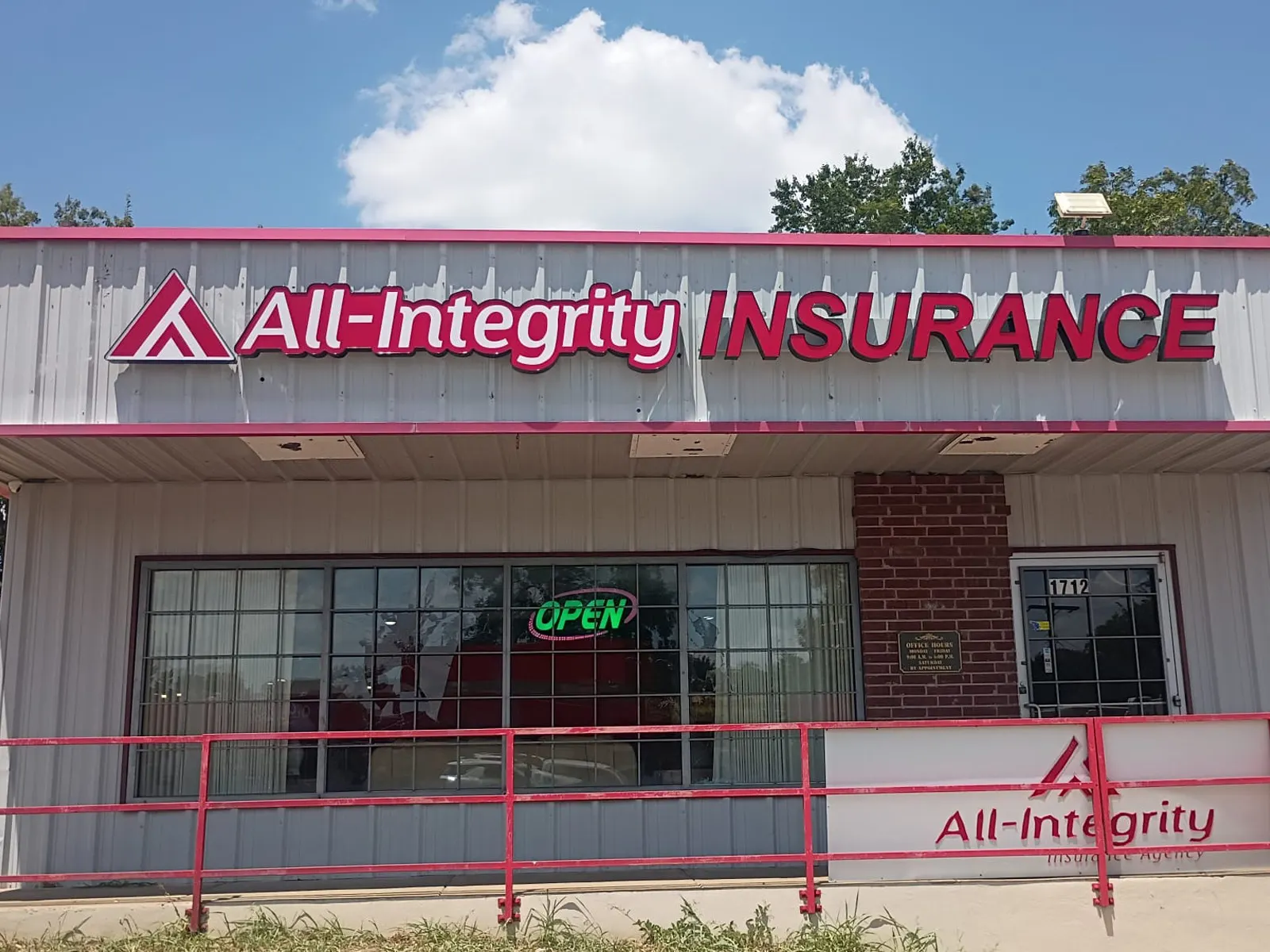
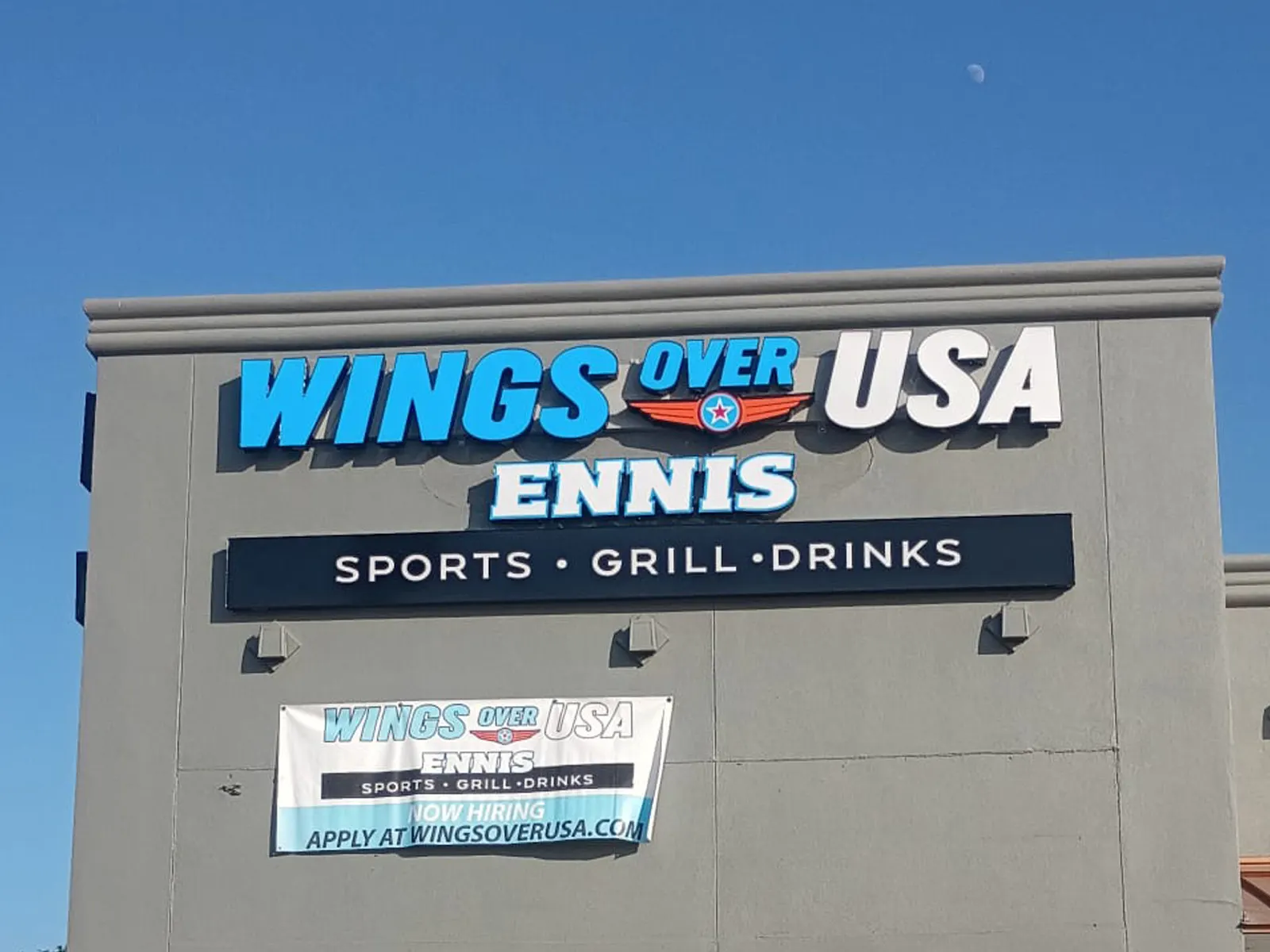
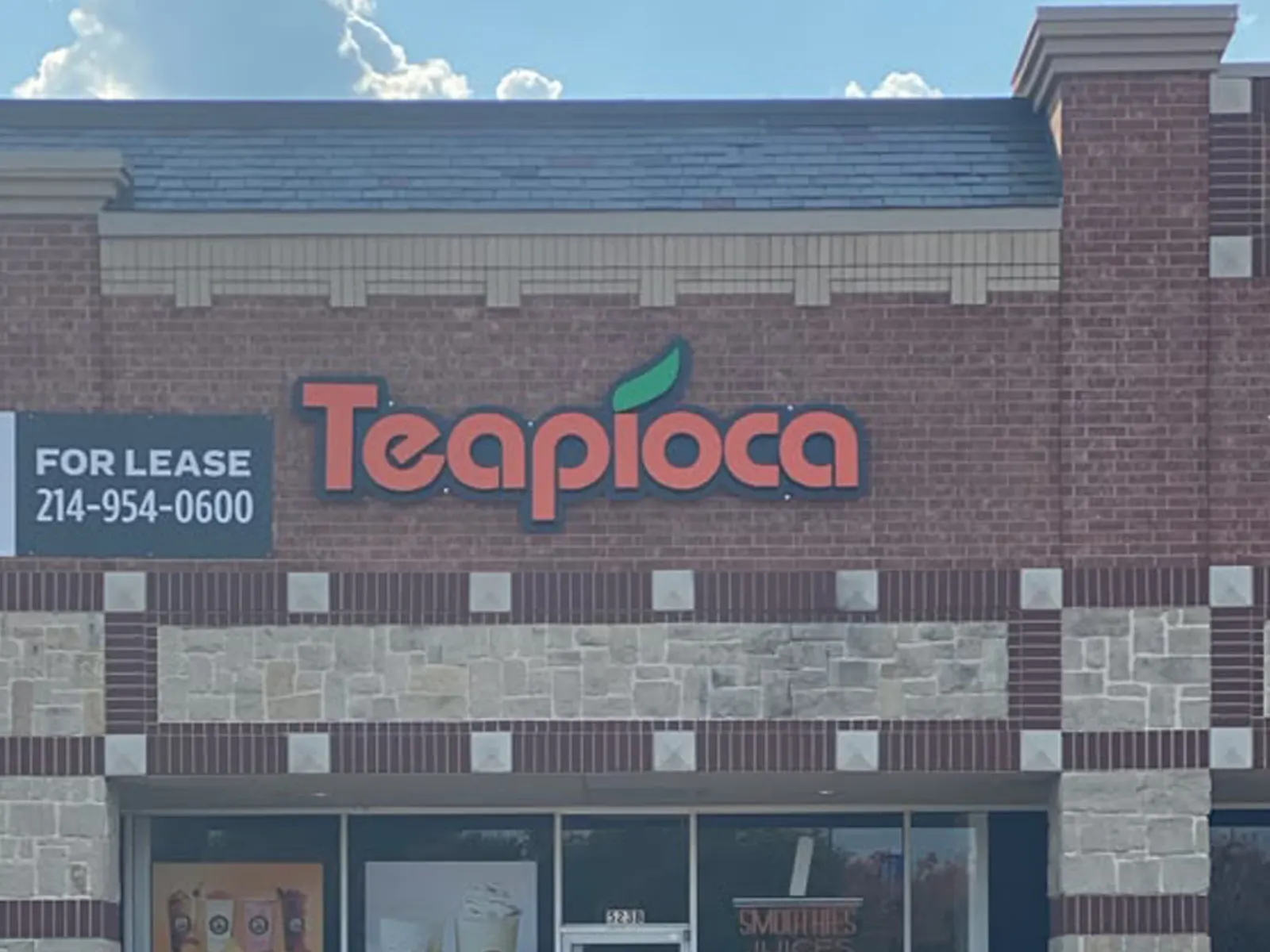
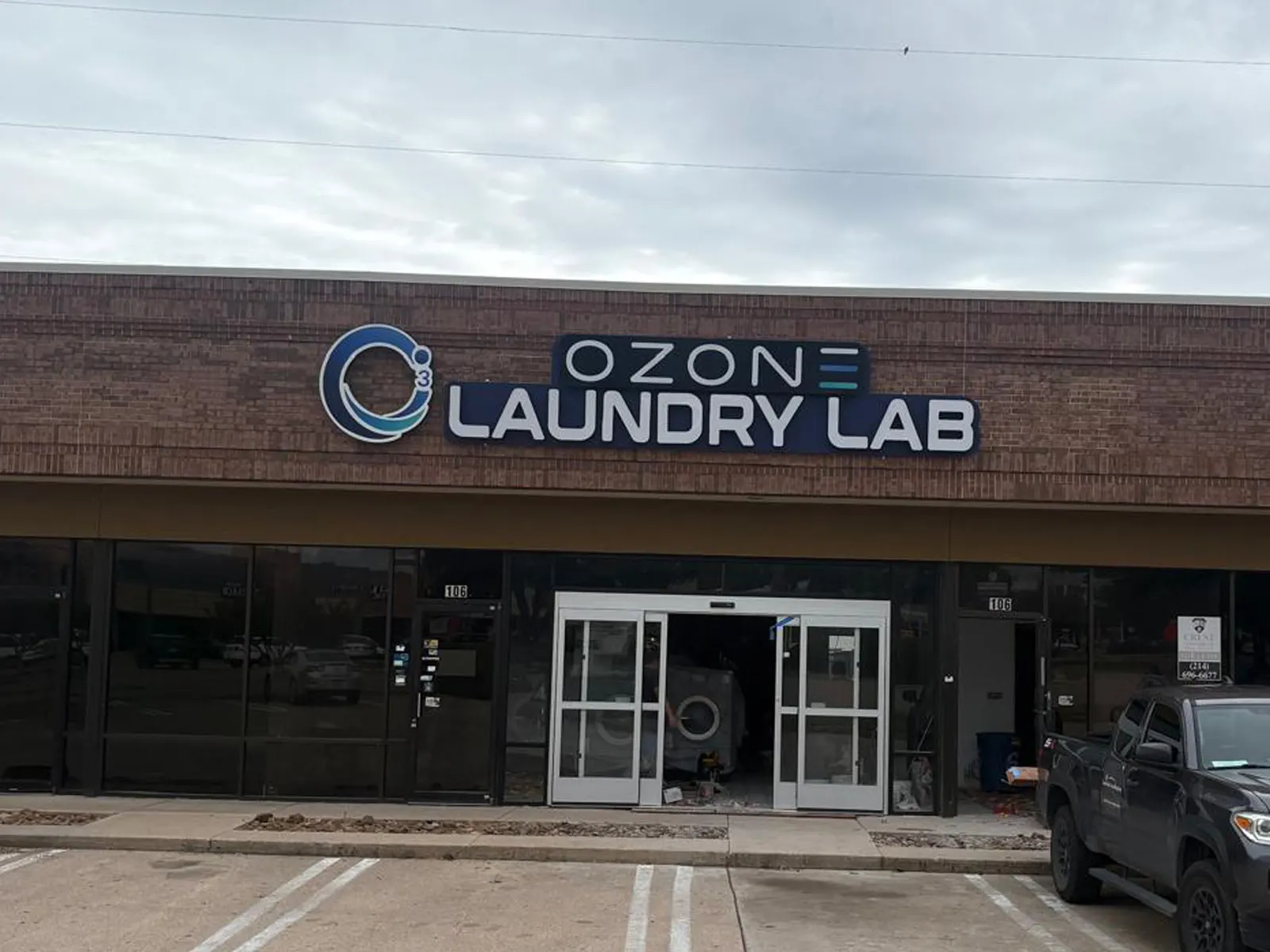
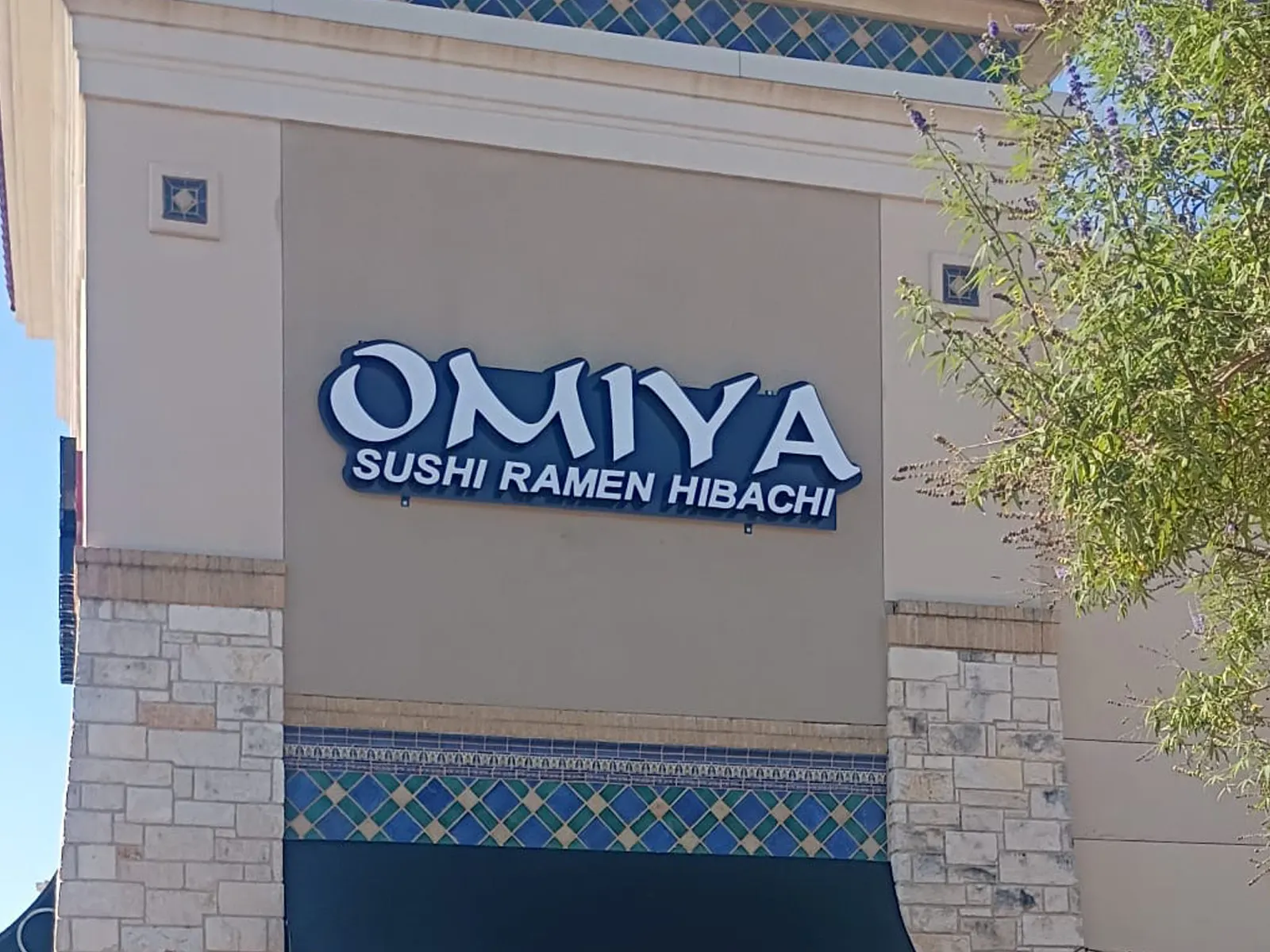
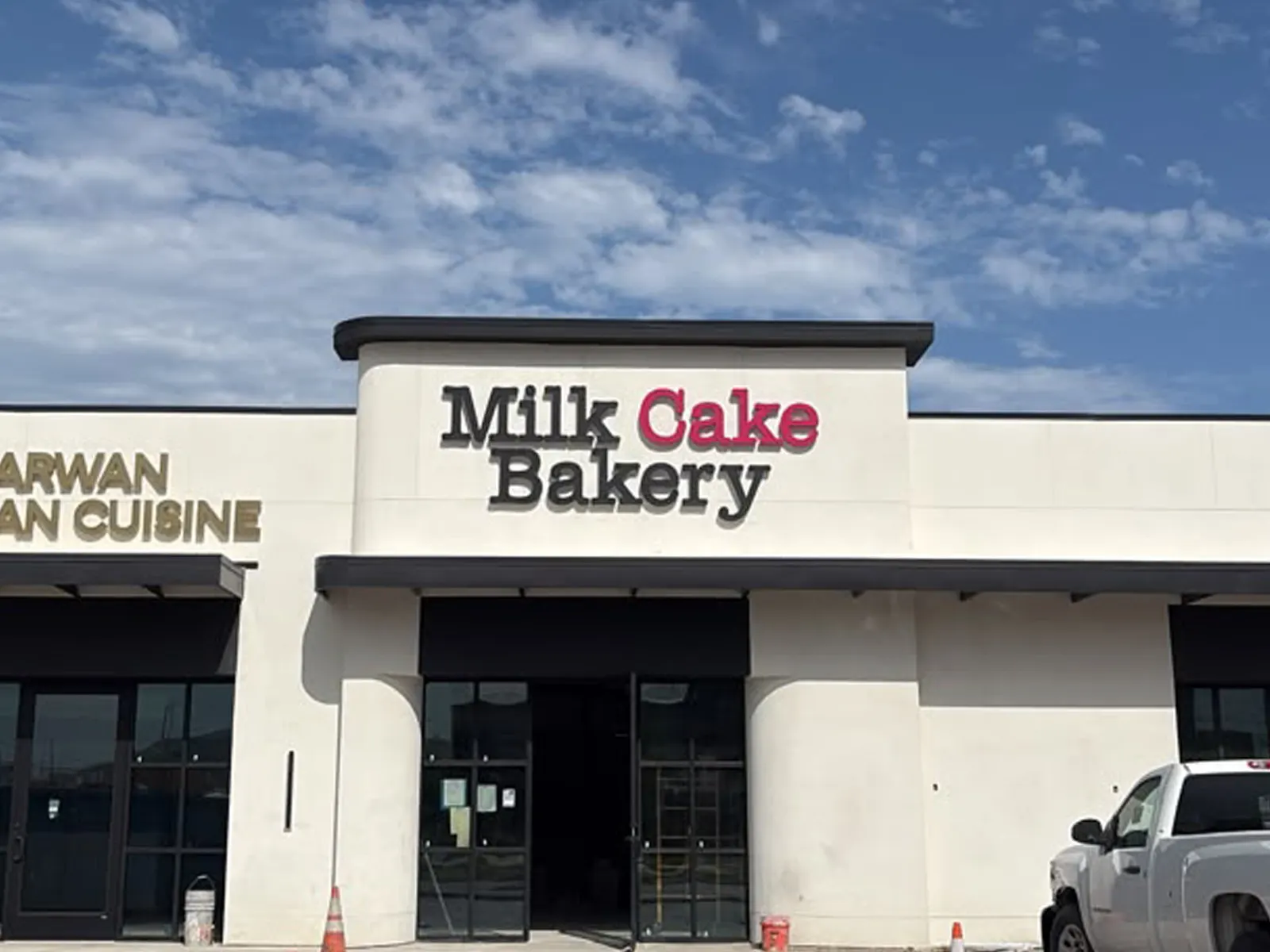
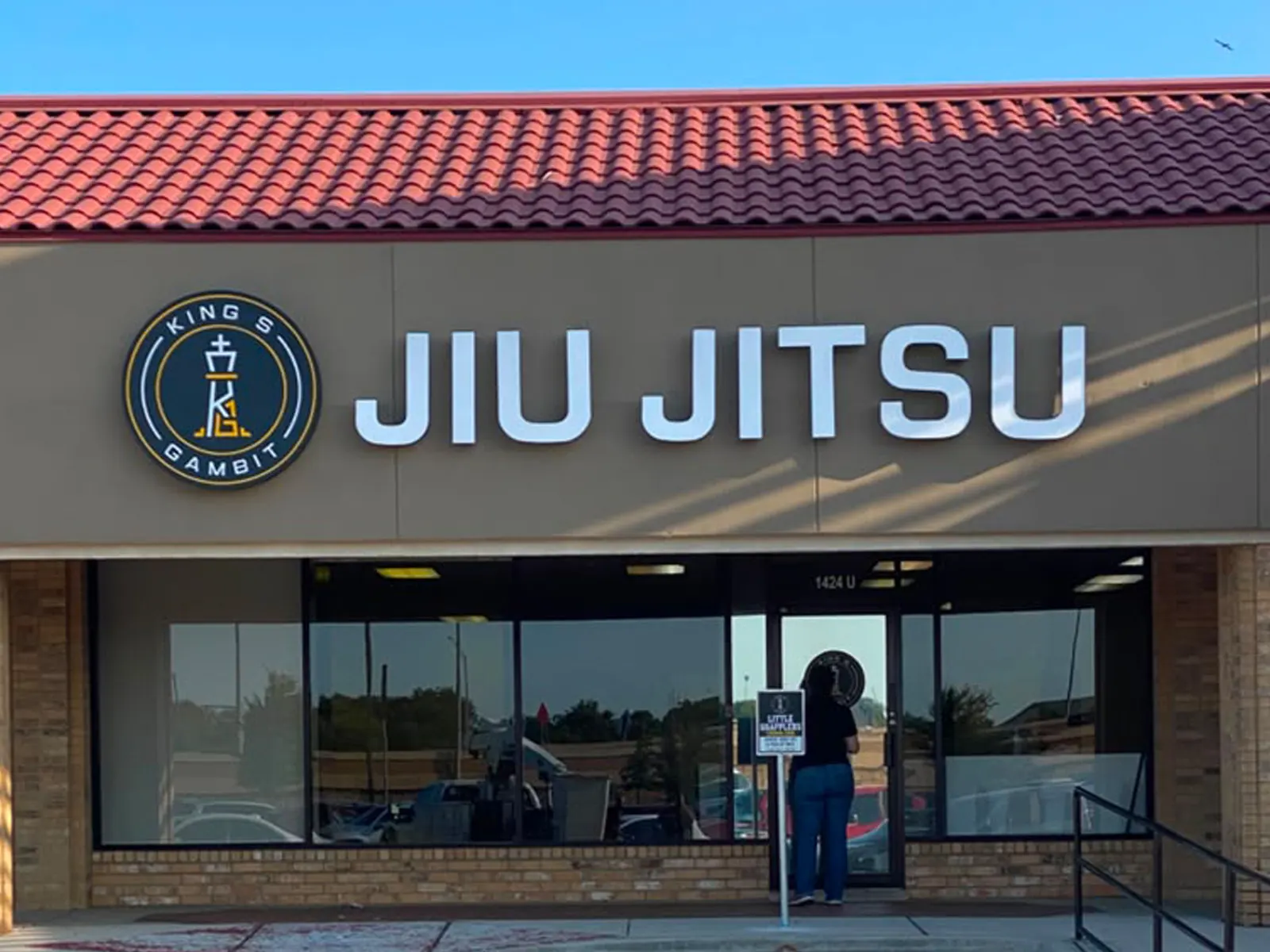
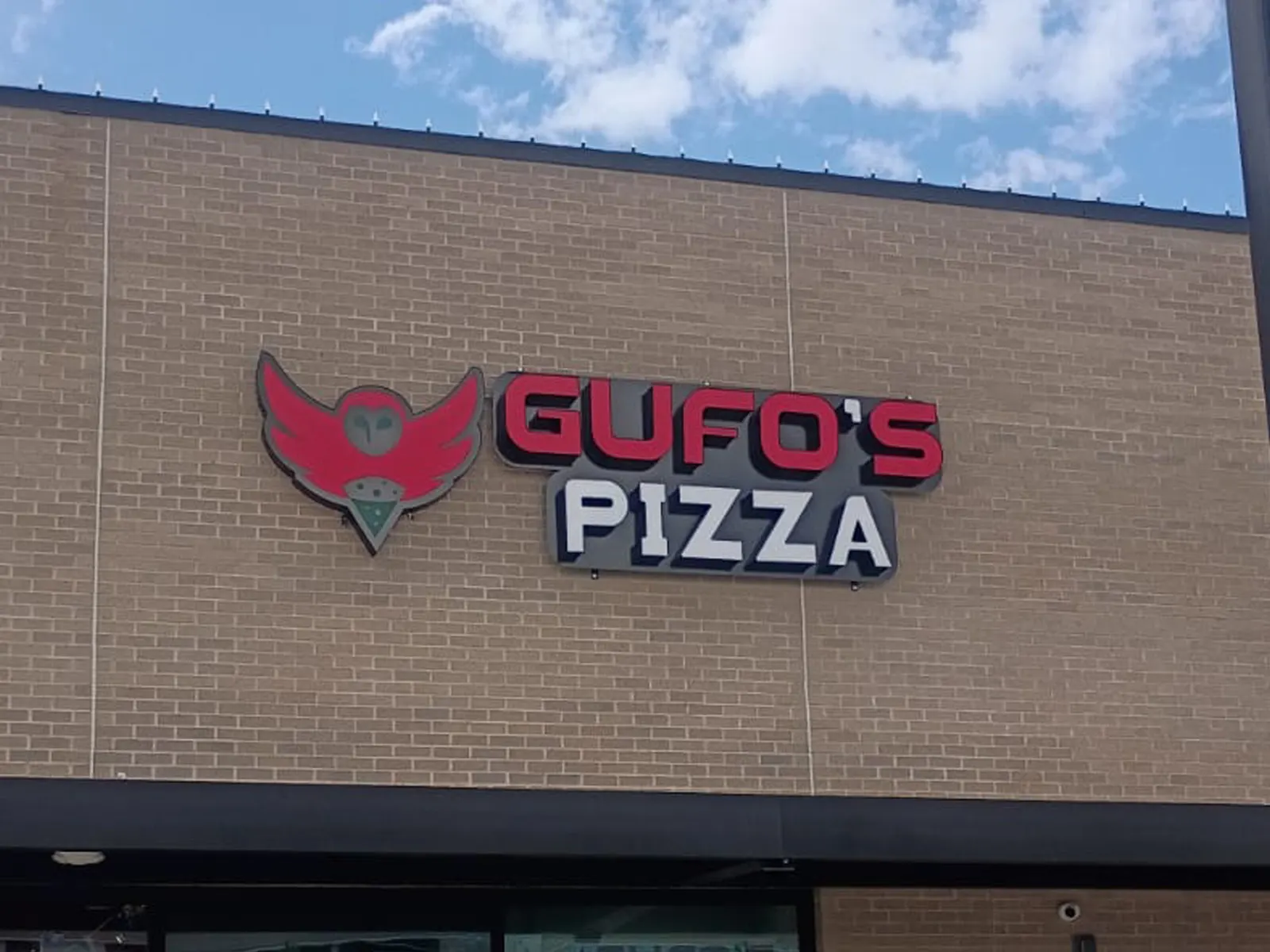
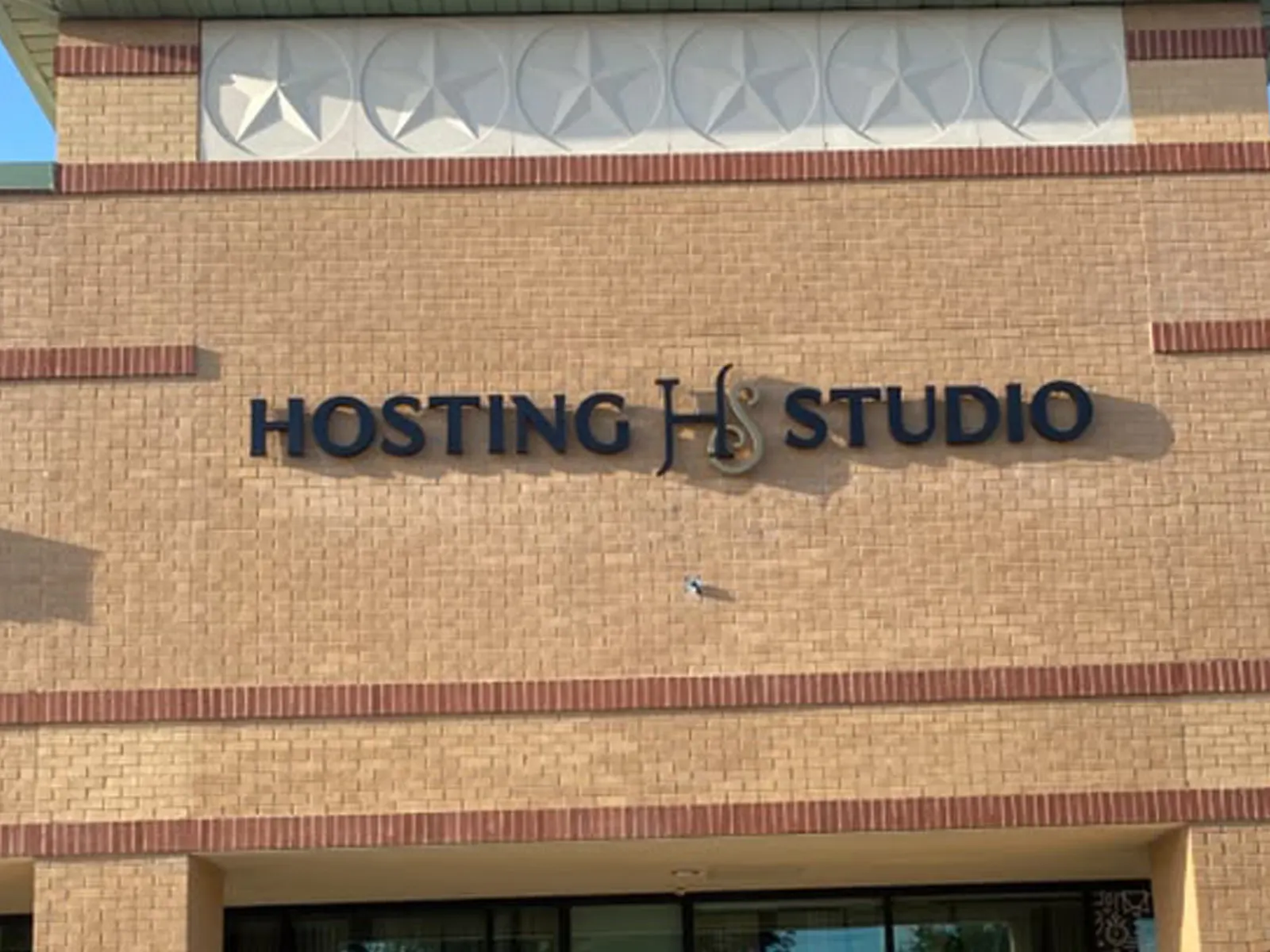
A selection of channel letter work from the Signs Express portfolio: front-lit faces, bold logos and letters built to hold their color after dark.
How we deliver
Every channel letters project follows the same six steps. Here is what each one means for this sign type.
We measure the fascia, note how far away people first see it and find where power can reach the sign.
Typeface, stroke weight and color are tested at real scale, lit and unlit, before anything is approved.
We detail the raceway or mounting pattern, stand-offs, LED layout and power supply locations.
Landlord approval comes first when there is sign criteria, followed by the city sign permit.
Returns are formed, faces cut and LEDs installed, then each letter is finished in your brand colors.
Letters are mounted, connected and aligned on site, then the sign is powered up and reviewed with you.
Related projects
Dallas Fort Worth
Across Dallas Fort Worth, most channel letter projects begin with a shopping center's tenant sign criteria and end with a city permit. Every city in the Metroplex writes its own sign code, so a layout approved in one suburb may need adjusting in the next. Our head office and manufacturing facility is in Carrollton, which keeps survey, fabrication and installation with one team whether your storefront is in Dallas, Plano, Frisco or Fort Worth.
Free project review
Send a photo of your storefront and a rough fascia width. We will recommend a lighting style, a mounting approach and the clearest route through landlord and city approval.
Straight answers
Something else on your mind? Call (469) 901-3108 or send the details through the quote form.
Front-lit letters have translucent faces, so light shines through them and the letter itself glows. Halo-lit letters have solid metal faces and shine light backward onto the wall, which creates a glowing outline around a dark letter. Front-lit is brighter and easier to read from a distance. Halo-lit is subtler and often chosen for offices, clinics and upscale retail.
Either on a raceway, a slim metal box that holds the wiring and power supplies behind the letters, or directly to the wall with each letter fastened on its own. Raceways mean fewer holes in the building and are common in shopping centers. Direct mounting gives a cleaner, floating look. Your landlord criteria may decide this for you.
In most DFW cities, yes. New exterior signs usually need a sign permit, and illuminated signs involve electrical work that must be performed by a licensed electrical sign contractor. Requirements vary by city and zoning, so we research the code for your address and prepare the permit package as part of the project.
It depends on the materials, sun exposure and how the sign is maintained. The aluminum letters themselves are durable. LED modules and power supplies are the components that wear first, and both can be replaced without rebuilding the sign.
Yes. Most retail leases include sign criteria covering size, color, lighting and mounting. We design to those rules and prepare drawings for landlord approval before we apply for the city permit.
If your business is in Dallas Fort Worth, yes. We fabricate at our Carrollton facility and install across the Metroplex, including Dallas, Richardson, Plano, Frisco, Allen, McKinney, Arlington and Fort Worth.
Your logo or brand files, a photo of the building, the approximate width of the fascia and whether the space is leased. If your landlord has sign criteria, send that too. It is the fastest route to an accurate quote.
Keep exploring
The sign over the door and the graphics on the glass, working together to turn passing traffic into walk-ins.
LED-lit letters, cabinets, monuments and pole signs that keep your name readable after sunset.
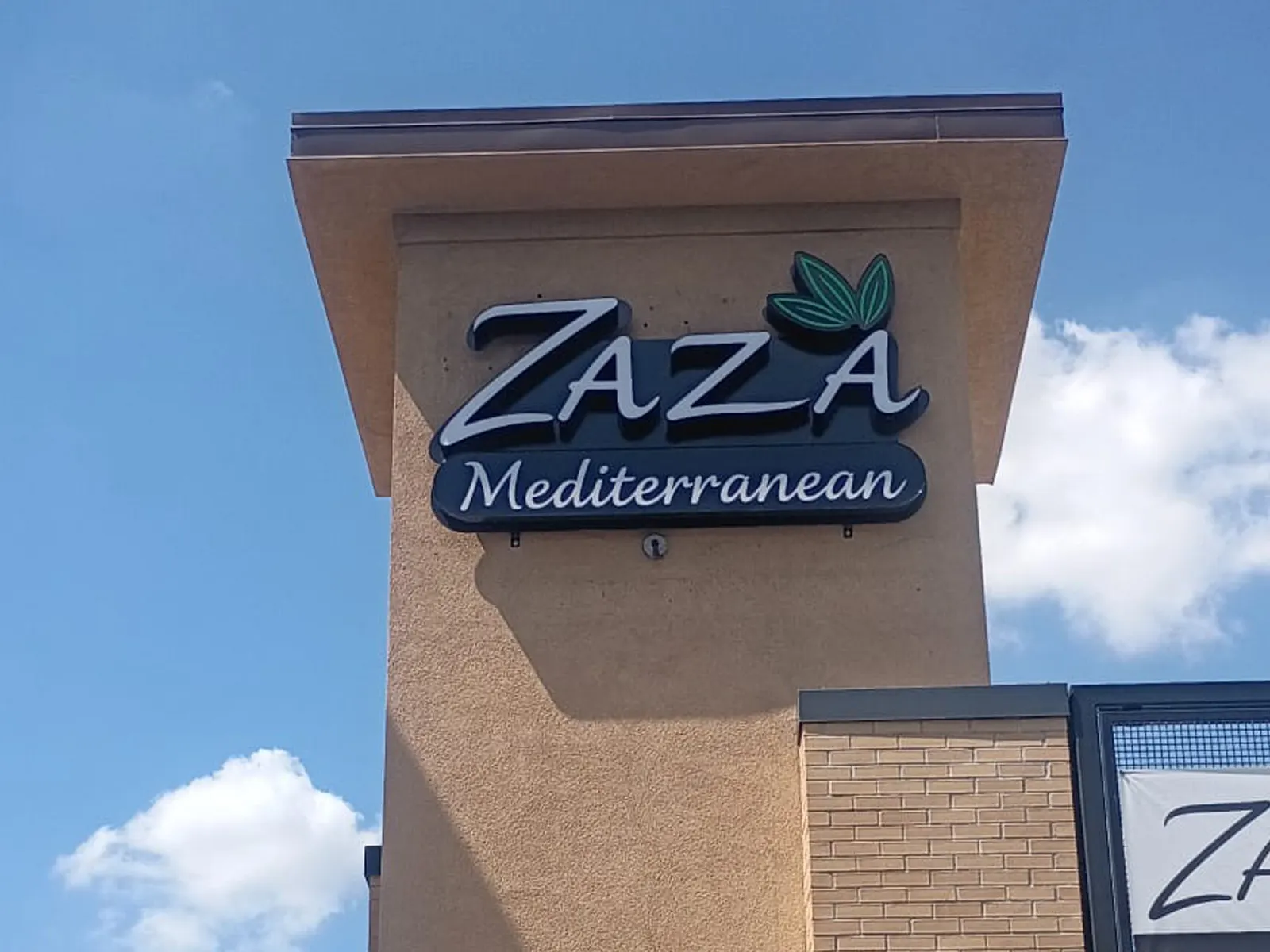
Wall-mounted letters, logos and cabinets, scaled to identify a building from the road and engineered for the wall they hang on.
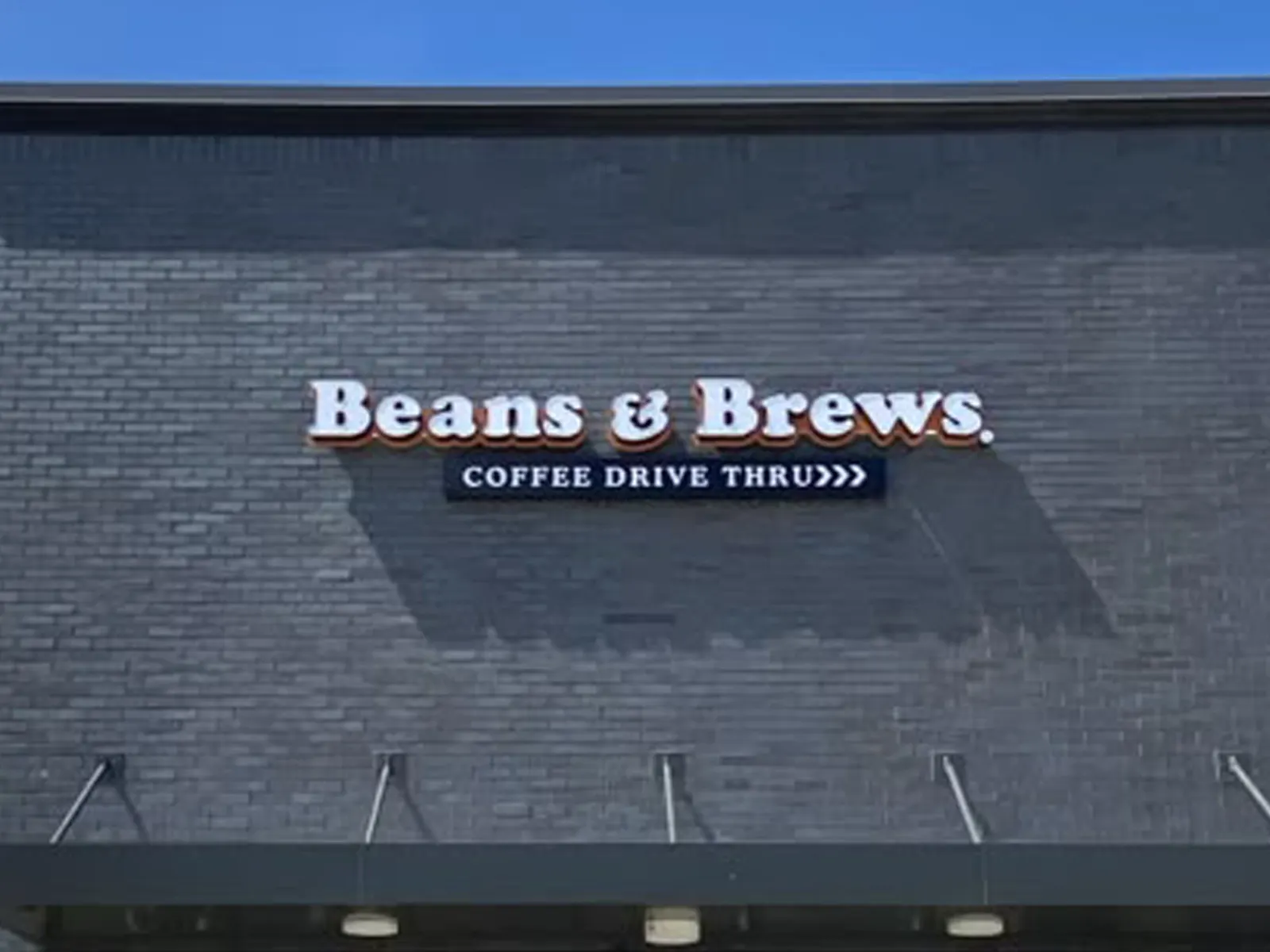
Lit storefront letters, glass graphics and feature walls that bring diners from the road to the table.
Start with the space. End with a landmark.
Tell us what you are building and where. We will help you choose the right sign system and handle the approvals, fabrication and installation.