Our process
How a Commercial Sign Project Works, Step by Step
Six steps take a sign from a first site visit to a finished, lit installation. Here is what happens at each one, what we need from you and what you get back, so you always know what comes next.
What are the steps in a commercial sign project?
A commercial sign project moves through six steps: discover the site and its requirements, design the sign, engineer its structure and electrical, permit it with the landlord and city, fabricate it and install it. Each step depends on the one before. At Signs Express one company runs all six, and repair and maintenance continue after installation.
- 01
Discover
A site visit and a conversation that define what the sign has to do and what the property allows.
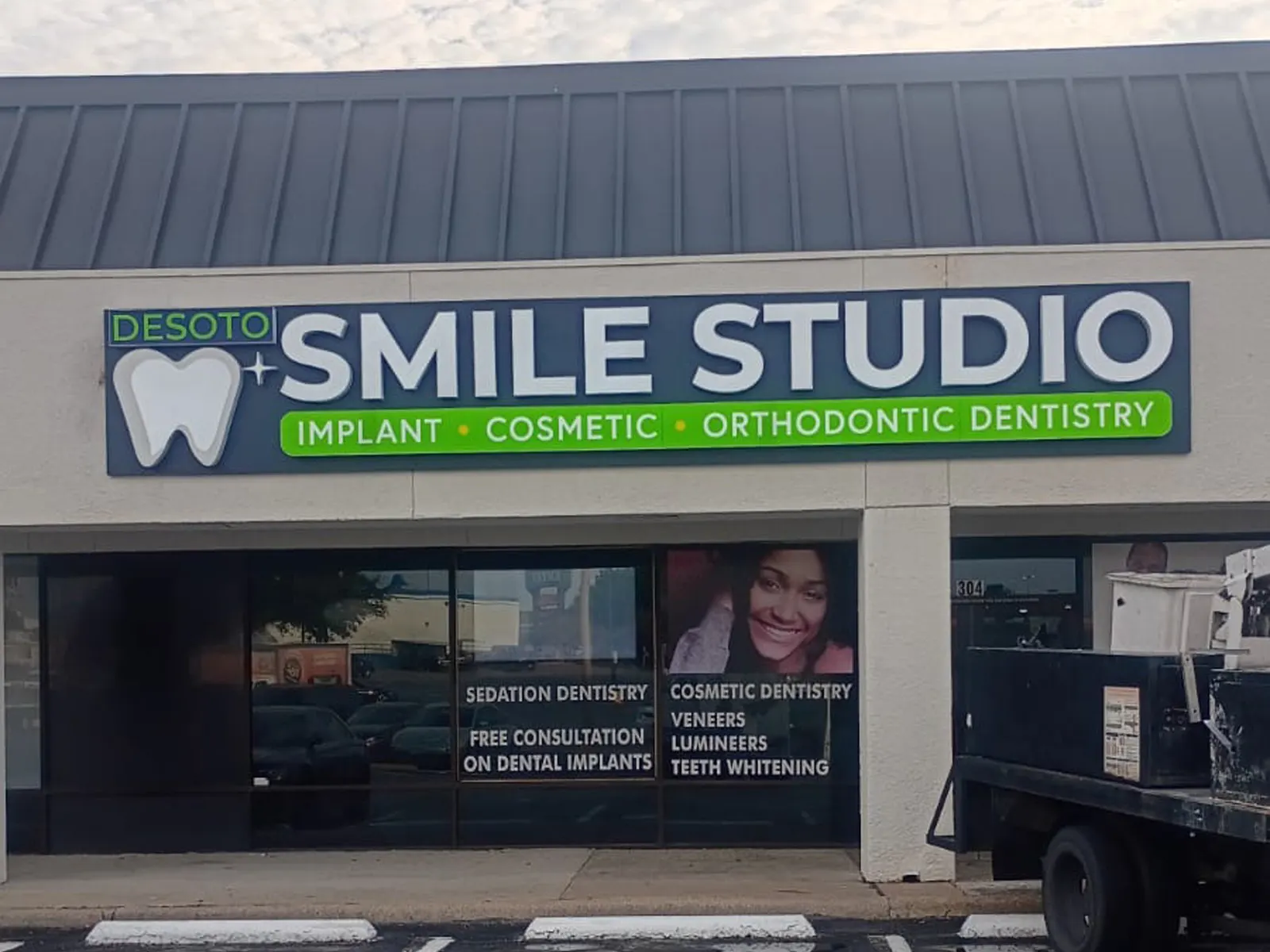
Discovery is part interview, part survey. First we want to know what the sign needs to accomplish: pull drivers off a busy road, mark an entrance, carry a new brand or match signs at other locations. Then we go to the property to measure it, photograph it and look at it the way your customers will, from the road, the parking lot and the sidewalk.
We also look for the constraints that shape everything afterward: where power is available, which signs or structures already exist, whether a lease includes sign criteria and which city will review the permit. Finding these now costs far less than finding them after design.
More about site surveysYou provide
- The property address and whether you own, lease or manage it
- Your logo files and any brand guidelines
- Landlord sign criteria, if the space is leased
- Photos of the building or existing signs, if you have them
We deliver
- A site survey with measurements and photos
- Notes on power, existing conditions and visibility
- An early view of the approvals the project will need
- 02
Design
Your brand, scaled and specified for a real wall or site, and drawn so it can be built.
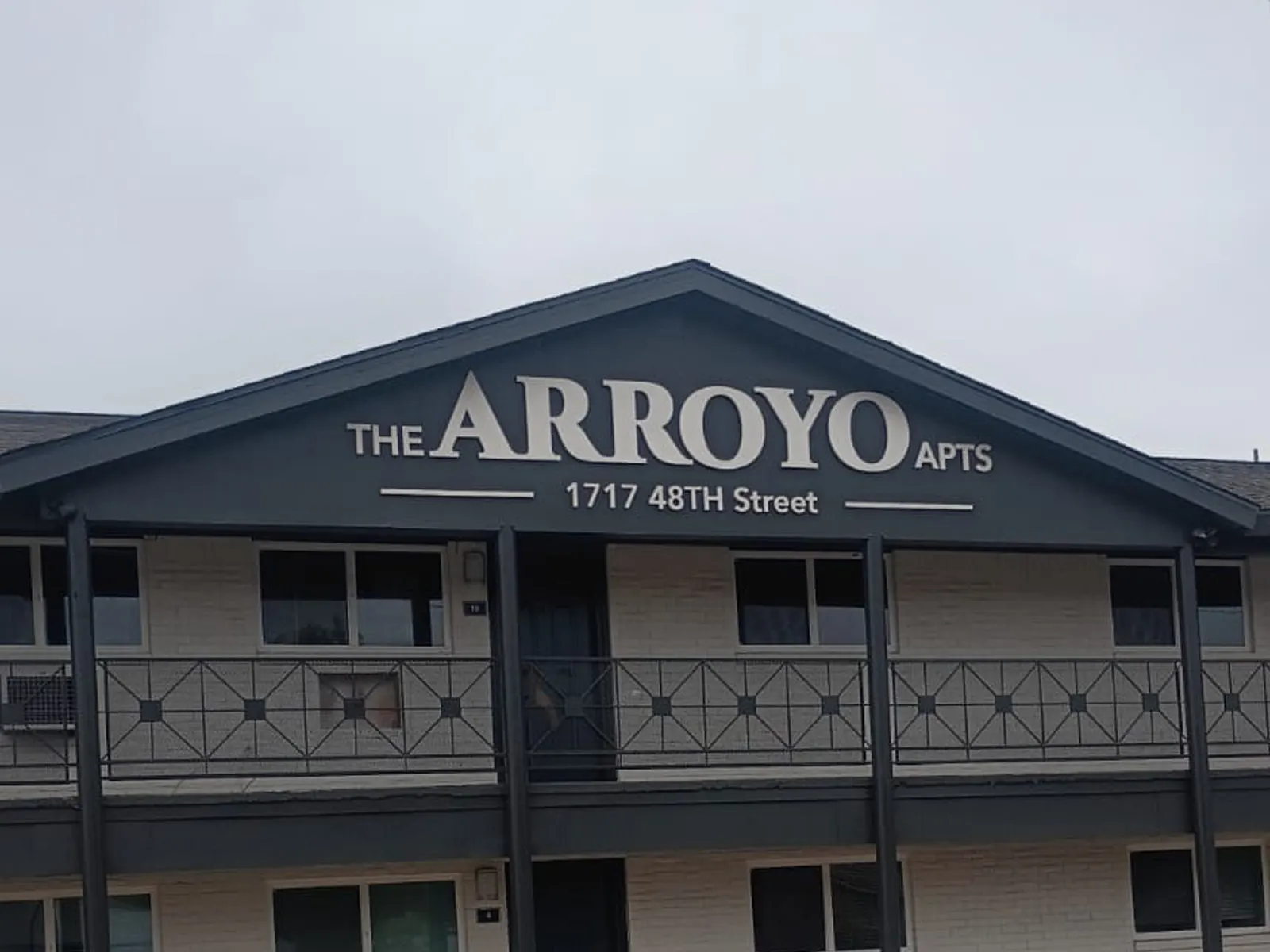
Design starts from the survey, not a blank page. Letter heights, panel sizes and lighting are set for the distance and angle people see the sign from, and for the space the building and code allow. We place the design on a photo of your actual property so you can judge its scale and color in context.
The design is also a specification. Materials, colors, illumination and mounting are chosen at this stage, because each one affects cost, approvals and how the sign is built. Revisions belong here too, where a change costs a drawing rather than a rebuilt part.
More about sign designYou provide
- Feedback on concepts and color choices
- A budget range, if you want us to design within one
- Final approval of the design drawing
We deliver
- Concept options drawn to scale
- A rendering of the sign on your building or site
- An approved design with materials, lighting and mounting specified
- 03
Engineer
How the sign is supported, attached and powered, worked out for your specific site.
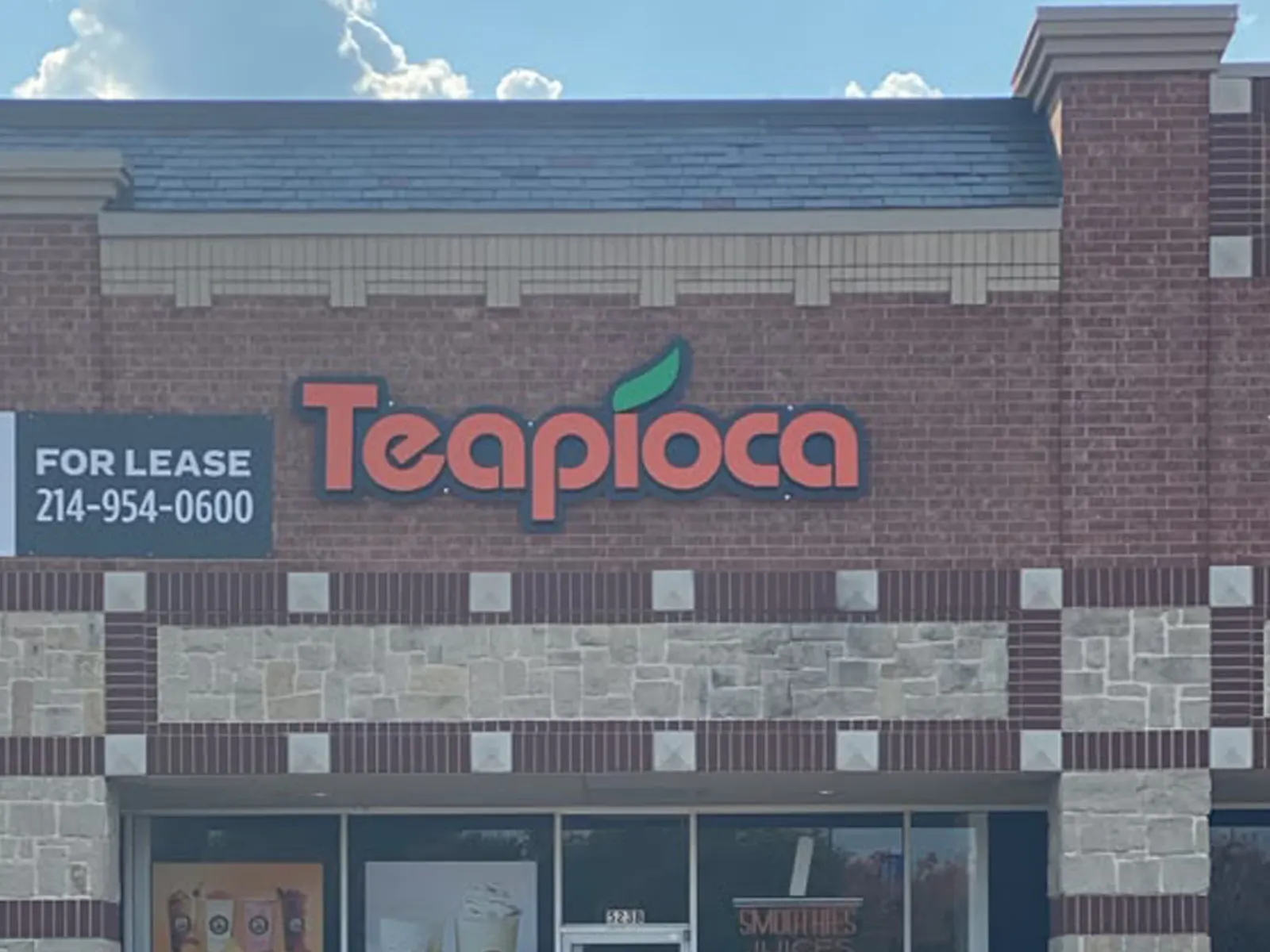
A sign has to hold up to Texas wind, heat and storms for years, whether it hangs on a wall or stands on its own foundation. Engineering settles how: the attachment to the wall, the size of the pole, the foundation for a ground sign and the path power takes to reach it.
We prepare engineering details for each sign. Where a city or property calls for sealed drawings, we coordinate them with a licensed engineer. The result is a set of shop drawings that the permit reviewer, the fabrication team and the installation crew all work from.
More about engineeringYou provide
- Access to the building for any follow-up measurements
- Building drawings or structural information, if available
- Confirmation of where power can reach the sign
We deliver
- Structural and attachment details
- An electrical layout for illuminated signs
- Shop drawings for permitting, fabrication and installation
- Sealed engineering coordinated where required
- 04
Permit
Landlord approval and a city permit, in place before anything is built.
A permanent exterior sign needs a permit in most Dallas Fort Worth cities, and the rules change at every city line. We look up the sign code for your address, confirm the design complies and adjust it before submission where it does not. Leased property adds a second review, because many landlords approve signs against their own tenant criteria before the city sees them.
We prepare the drawing package, submit it and respond to reviewer comments until the permit is issued. Fabrication waits for approval: building a sign before its design is approved is the most expensive way to learn that it needs to change.
More about permittingYou provide
- Landlord contact details, or a signed landlord approval where required
- Owner or tenant information the permit application asks for
- Signatures on application forms when the city requires them
We deliver
- Sign code research for your address
- A landlord approval package
- A city permit application, submitted and followed through
- Responses to any review comments
- 05
Fabricate
The approved sign built at our Carrollton facility, finished in your colors and tested.
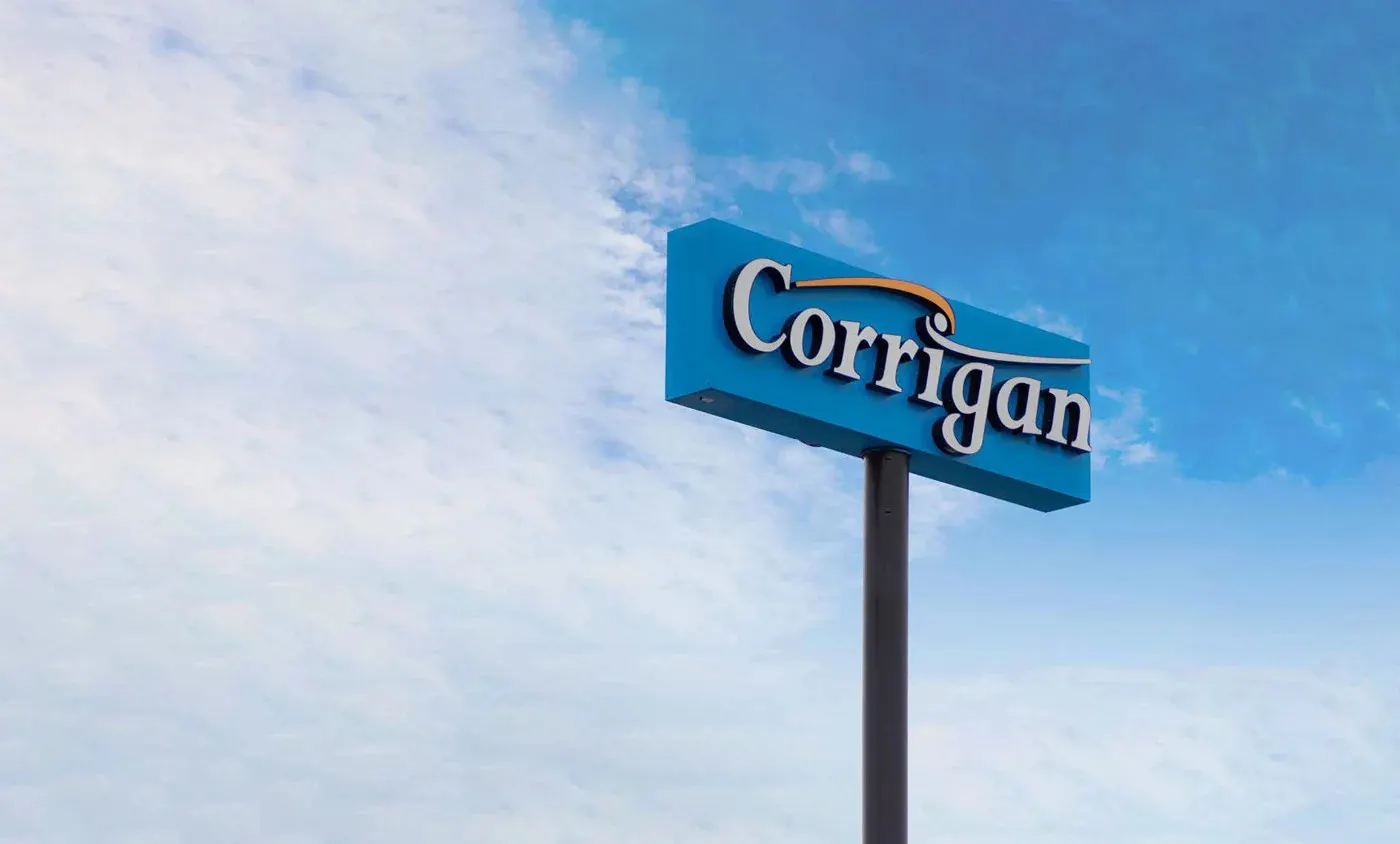
Once approvals are in hand, the shop drawings go into production at our manufacturing facility in Carrollton. Letters, cabinets, monuments and panels are built to the drawings, and every face, return and finish takes its color from your brand references.
Illuminated signs are lit and checked before they leave the building, the easiest place to catch an uneven LED or a loose connection. Each sign is inspected against the approved drawing, then protected for transport and scheduled for installation.
More about fabricationYou provide
- The installation window that suits your business
- Site access details for installation day
- A heads-up on anything at the site that has changed since the survey
We deliver
- A sign built to the approved drawings
- Colors and finishes matched to your brand
- Illuminated components tested before delivery
- 06
Install
Mounted, wired, switched on and checked with you before the crew leaves.
Installation day starts before the crew arrives. Access, parking and lift placement are confirmed, and for ground signs, buried utilities are marked before any excavation starts. On site, the crew mounts the sign to the approved layout, levels and aligns it and seals every penetration.
Illuminated signs are connected to power by Signs Express under Texas Electrical Sign Contractor #18921. Then we switch the sign on, look at it with you from the road and up close and close out anything that needs attention.
More about installationYou provide
- Access to the site and building on installation day
- Power at the sign location for illuminated signs
- Someone available for the final walkthrough
We deliver
- A mounted, aligned and connected sign
- A final walkthrough with you
- A clear contact for repair and maintenance
After installation
After installation: repair and maintenance.
A sign keeps working long after the project closes, and eventually some part of it needs attention. LED modules and power supplies age, faces fade in the sun, storms loosen hardware and tenant panels change as leases turn over.
When that happens, the company that built the sign is the one to call. We diagnose dark letters and flickering cabinets, replace faces and panels, re-face signs after a rebrand and assess storm damage, with electrical repairs made under our Texas license.
Straight answers
Our process: common questions.
Something else on your mind? Call (469) 901-3108 or send the details through the quote form.
How long does the whole process take?
It depends mostly on two things: the sign and its approvals. An interior sign that needs no permit moves very differently from a pole sign that needs sealed engineering and a city review. After the survey, we give you a schedule built around your sign, your city and your landlord.
Can steps overlap to save time?
Some can. Design and code research often run side by side, and site preparation for a ground sign can be planned while the sign is being built. Approval and fabrication do not overlap: we build after the landlord and city have signed off.
What slows a sign project down most often?
Missing approvals: a landlord who has not signed off, a permit application waiting on owner information or a design that has to change to meet code. Sending landlord criteria and property details at the start is the surest way to keep a project moving.
What will I be asked to approve along the way?
The design, the final drawings before they go to the landlord and city, and the finished sign at the walkthrough. We ask for approval at the points where changing course is still easy.
What if my sign does not need a permit?
Some signs, often interior ones, may not. We confirm it during discovery. The permit step then drops away, while design, engineering and fabrication go ahead as usual.
What happens if the site changes after the survey?
Tell us as soon as you know. A new awning, a moved electrical panel or updated landlord criteria can change the design or the engineering, and it is much easier to adjust a drawing than a finished sign.
Is the process different for multi-location projects?
The steps are the same, repeated for each site. Discovery and design happen once at the program level to set a standard, then each location gets its own survey, drawings, permit and installation, phased to your schedule.
Start with the space. End with a landmark.
Start with step one.
Send the address, a photo of the site and your logo. We will schedule the survey and show you what the next five steps look like for your project.